
New & Used Walkers & Crutches for Sale in Nepal
10 listings
-
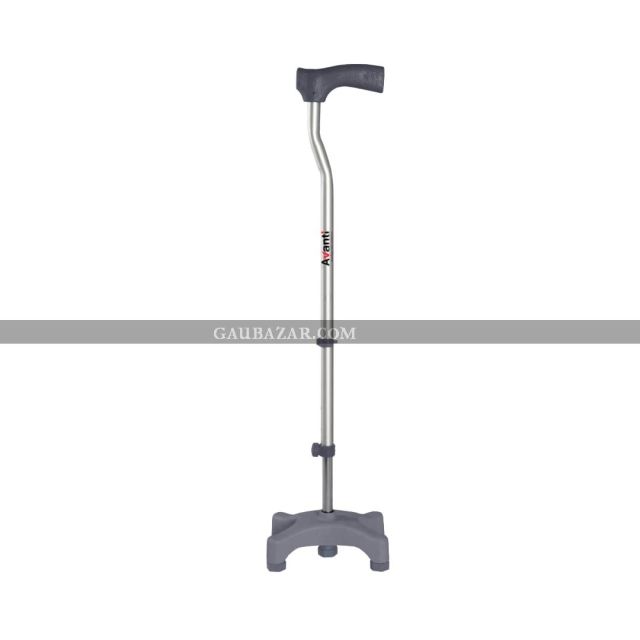
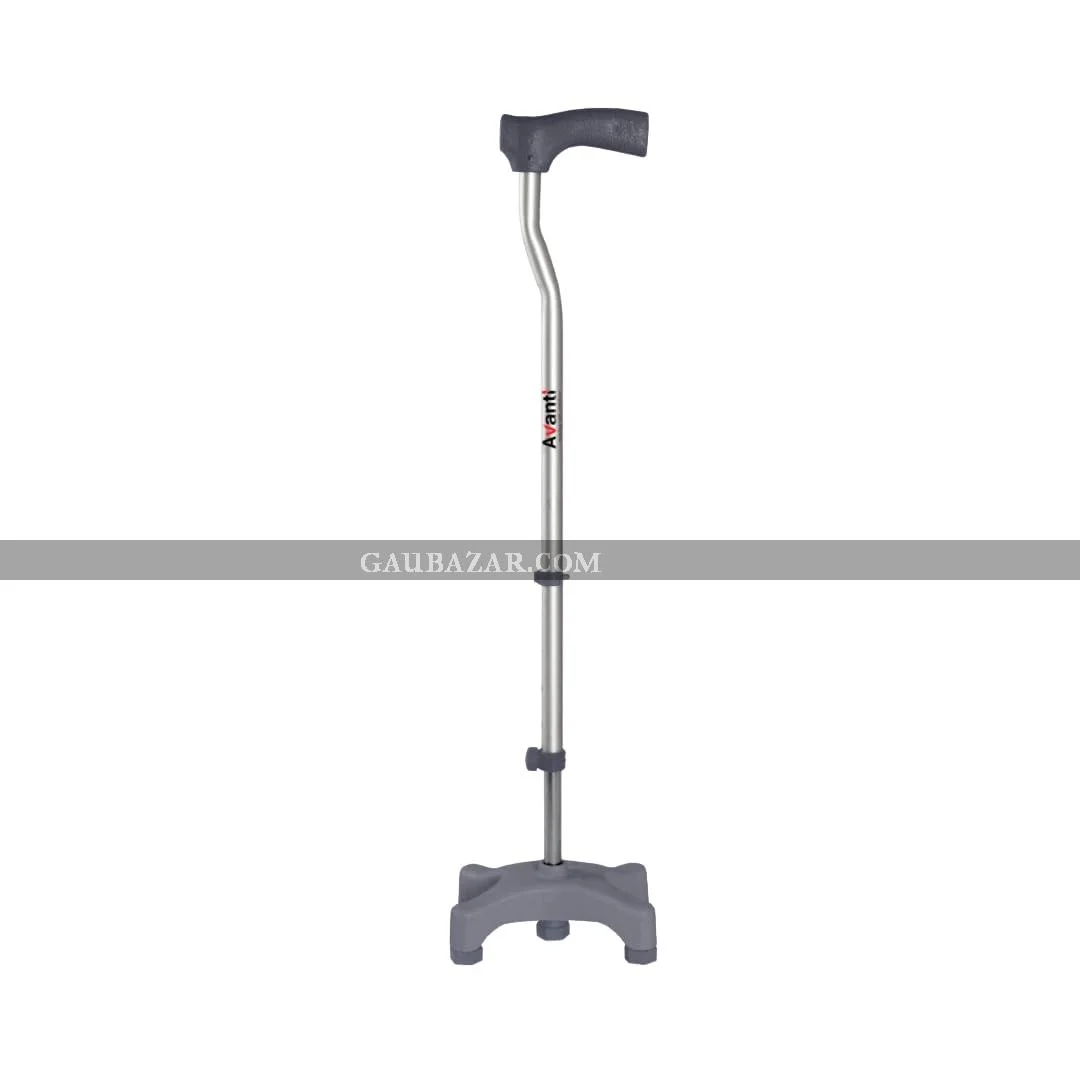
Vissco Avanti L Shape Quadripod Walking Stick
Rs. 2,000
Bhaktapur
🚚 Delivers nationwide
-
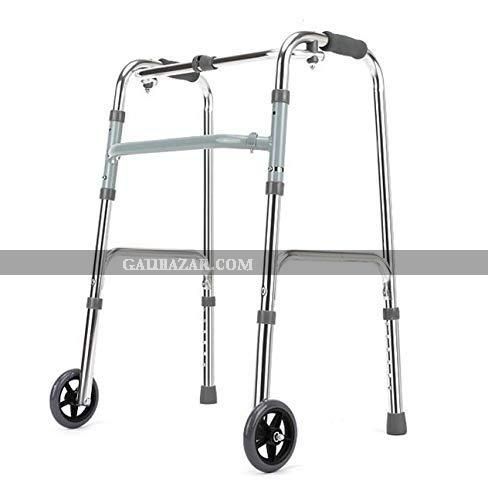
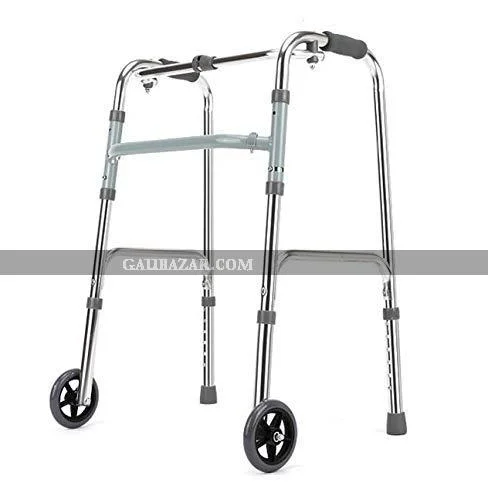
Balanced Frame Folding Walker with Wheels
Rs. 4,500
Bhaktapur
🚚 Delivers nationwide
-
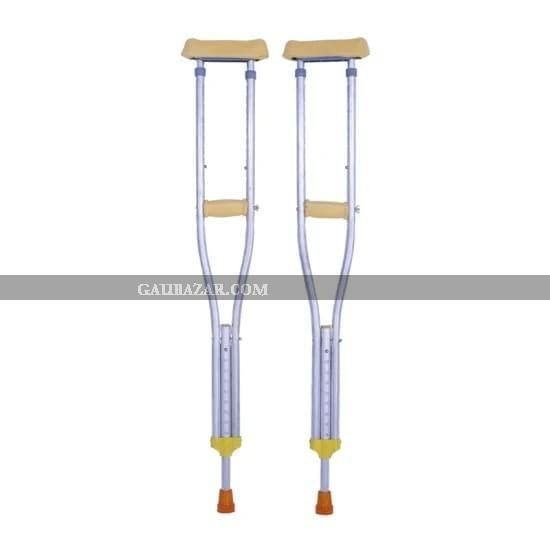
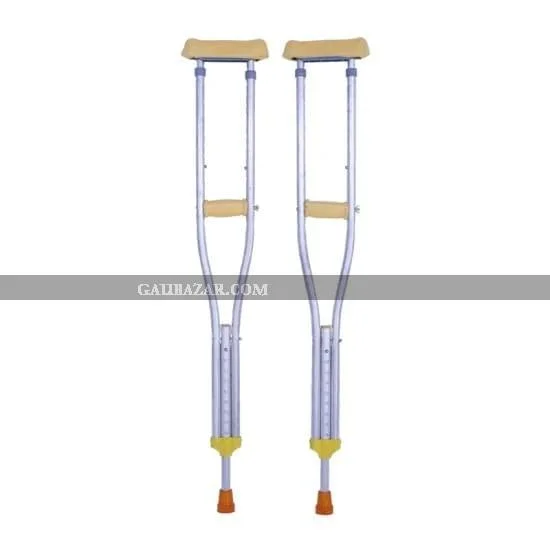
Under Arm Auxiliary Crutch Adjustable Support
Rs. 2,000
Lalitpur
🚚 Delivers nationwide
-
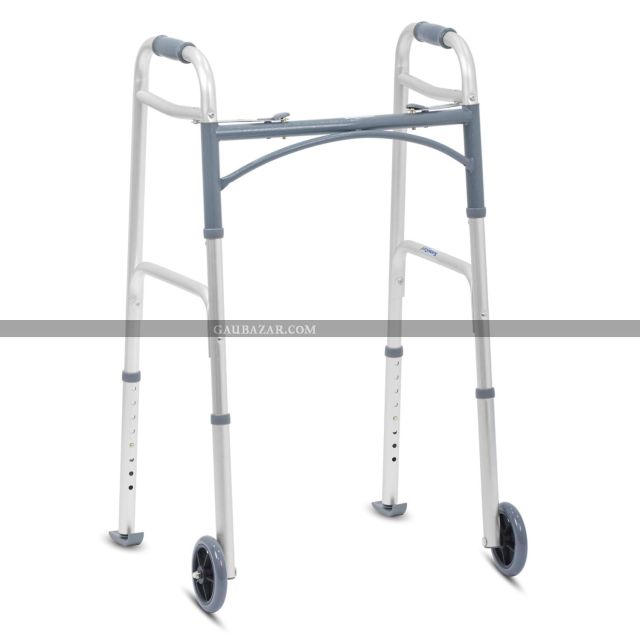
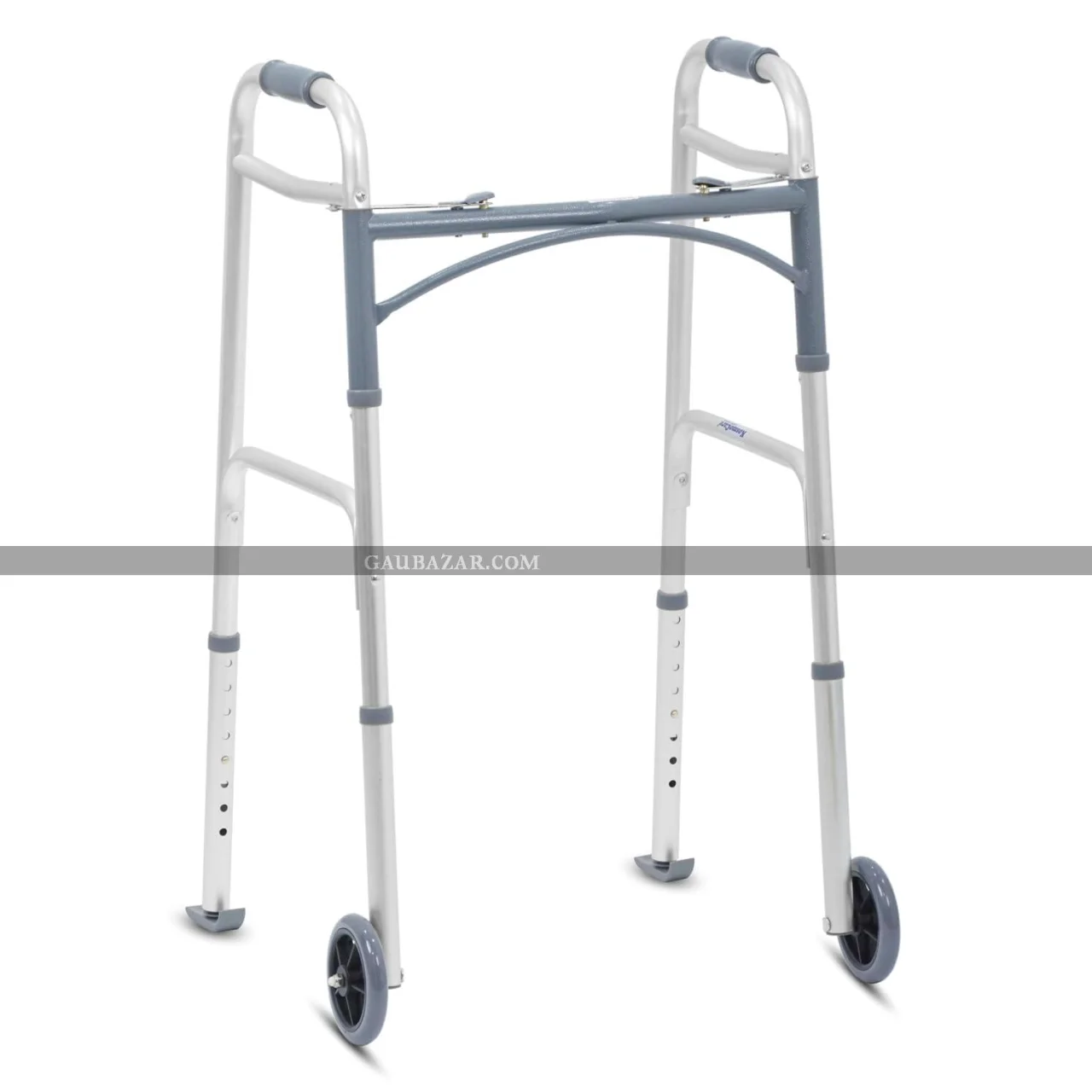
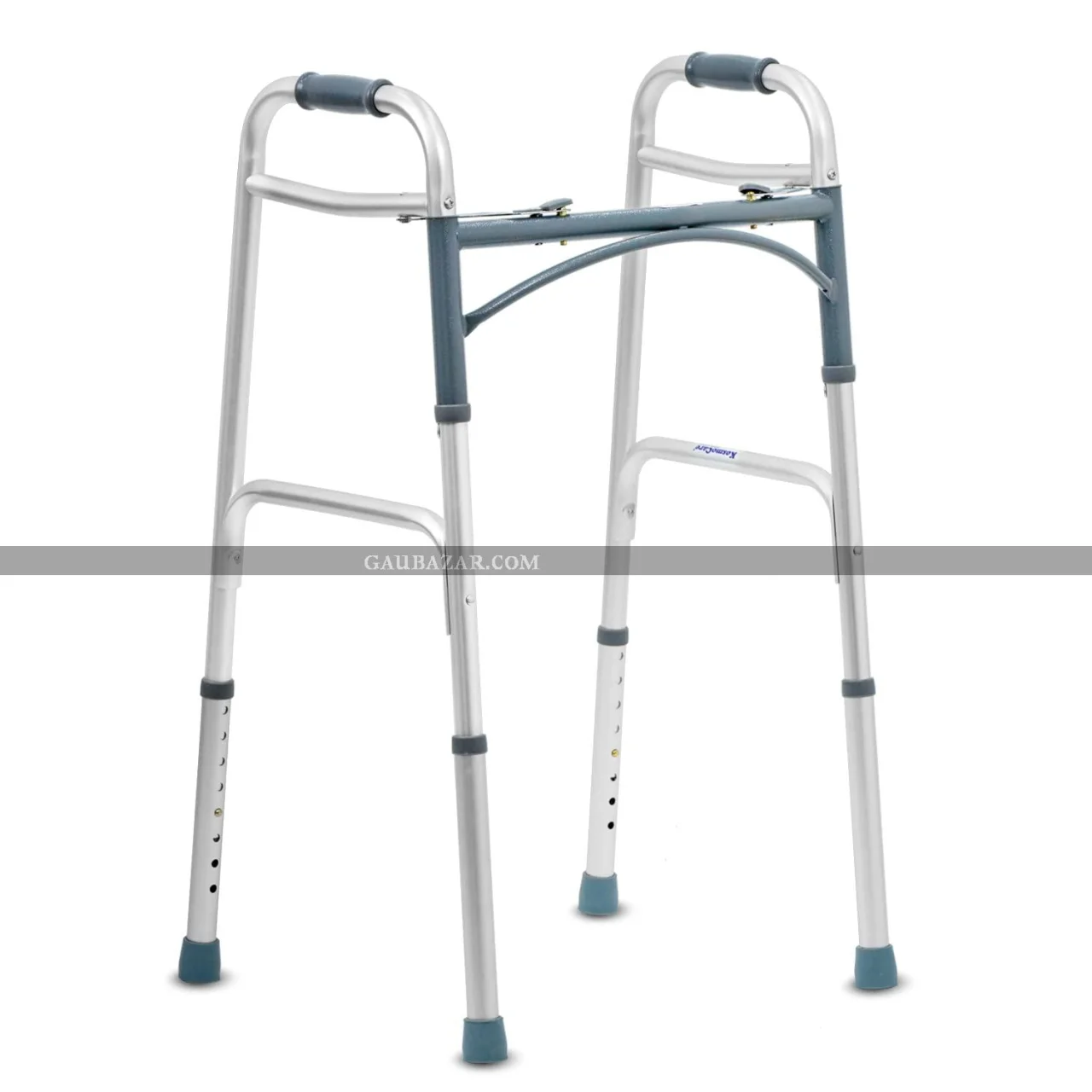
KosmoCare Deluxe Folding Walker with 5
Rs. 5,000
Lalitpur
🚚 Delivers nationwide
-
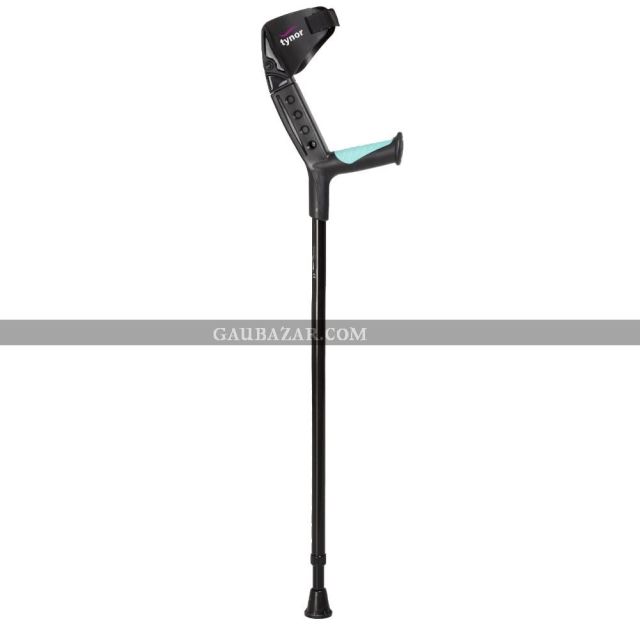
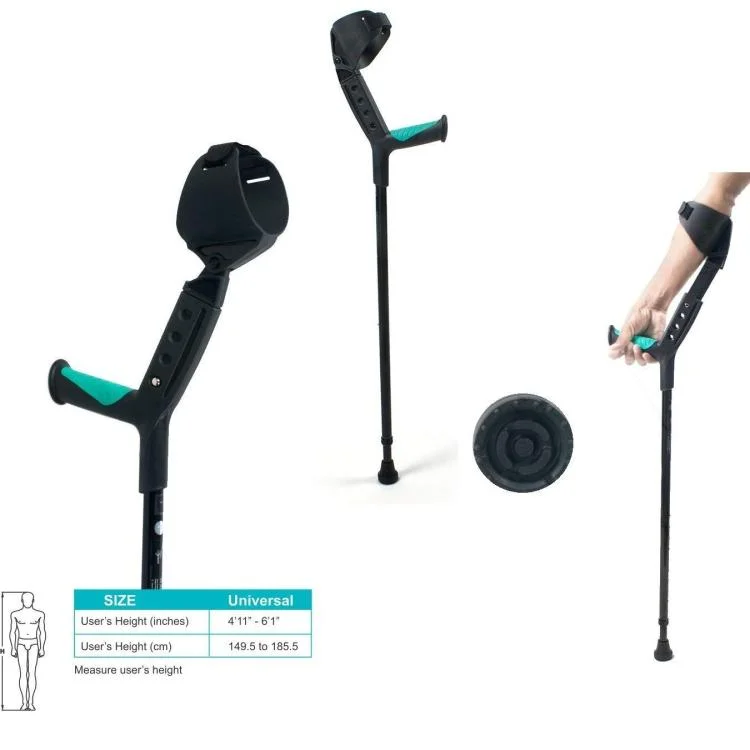
Adjustable Elbow Crutch: Comfortable and Durable Walking Support
Rs. 1,800
Pokhara
🚚 Delivers nationwide
-
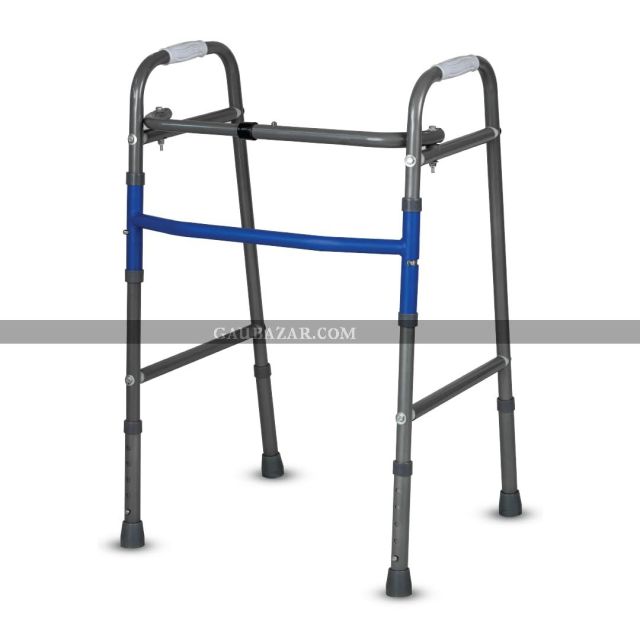
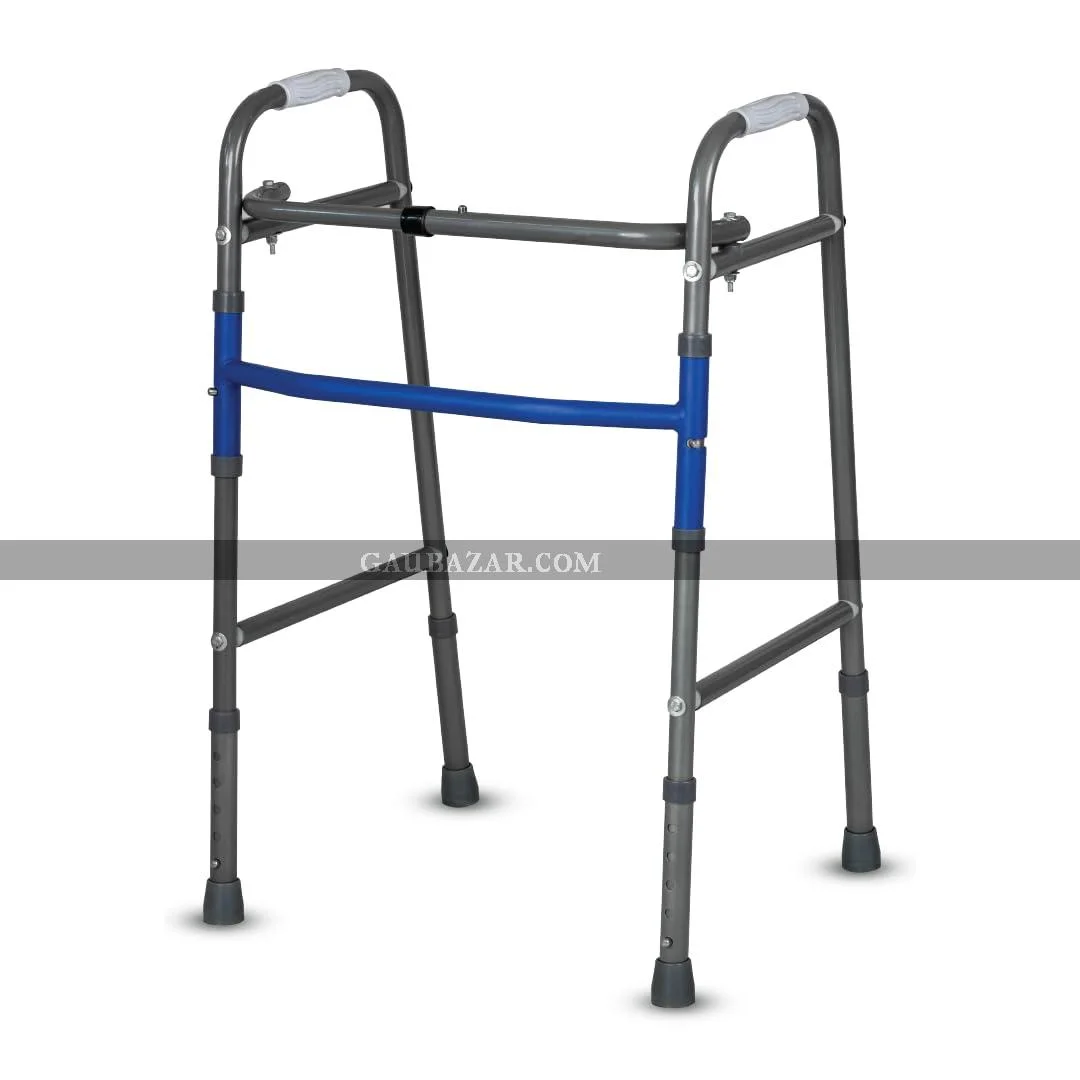
Vissco Walker: Lightweight Foldable & Adjustable Walking Aid
Rs. 3,500
Pokhara
🚚 Delivers nationwide
-
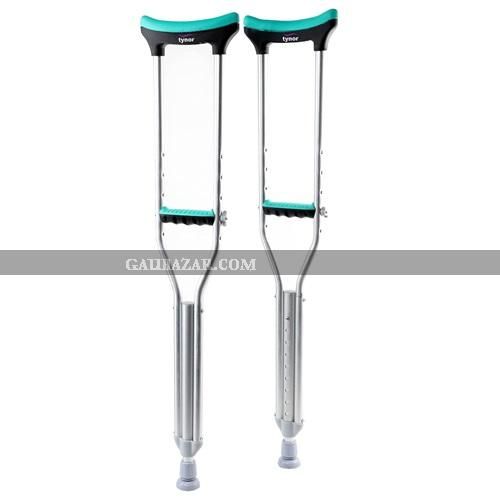
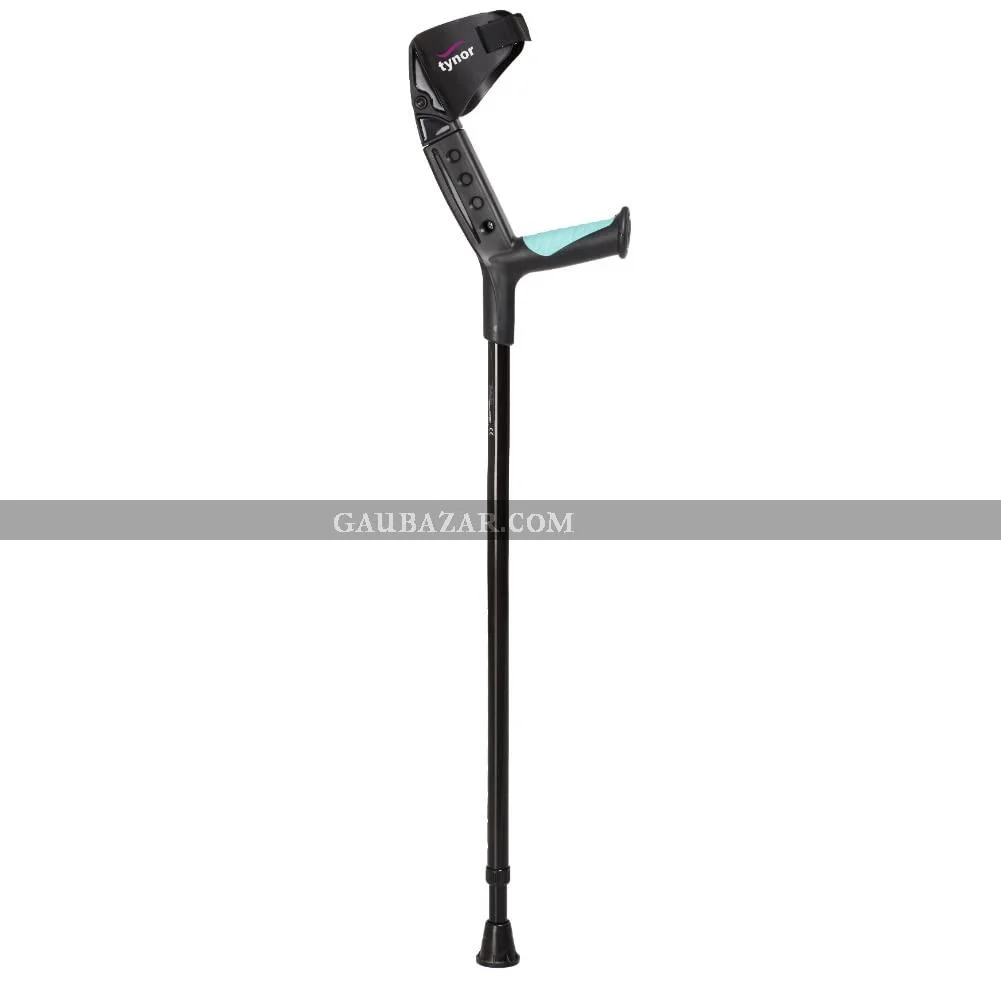
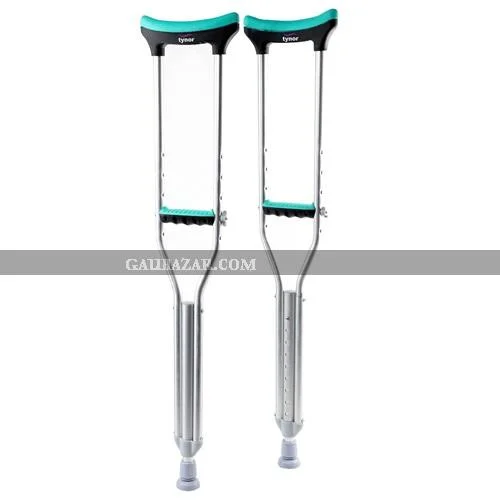
Tynor Auxiliary Crutch: Comfort and Stability in Motion
Rs. 4,500
Kathmandu
🚚 Delivers nationwide
-
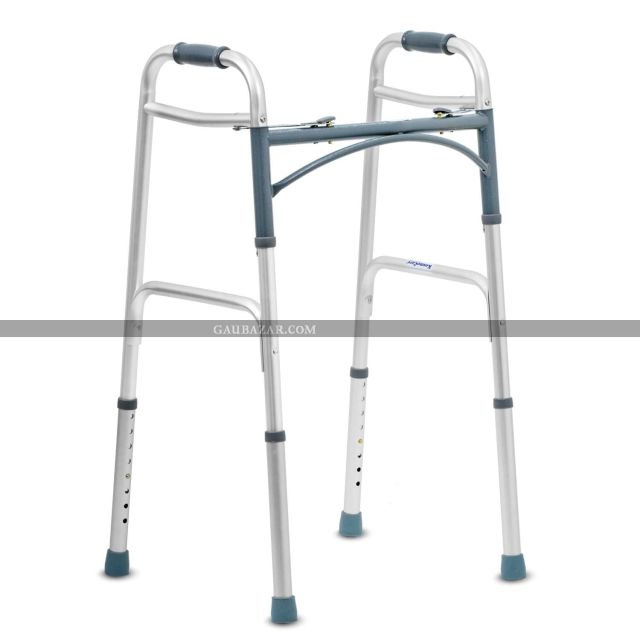
KosmoCare Lightweight Aluminum Height Adjustable Folding Walker
Rs. 4,500
Kathmandu
🚚 Delivers nationwide
-
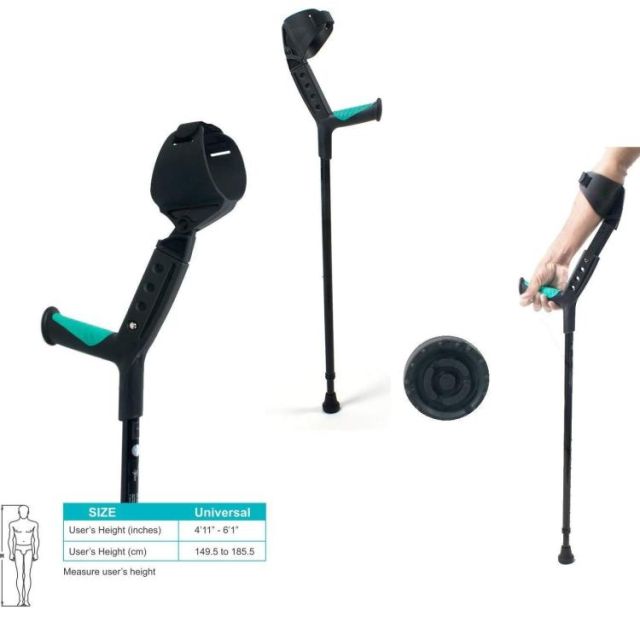
Elbow Crutch
Rs. 1,600
Kathmandu
🚚 Delivers nationwide
-
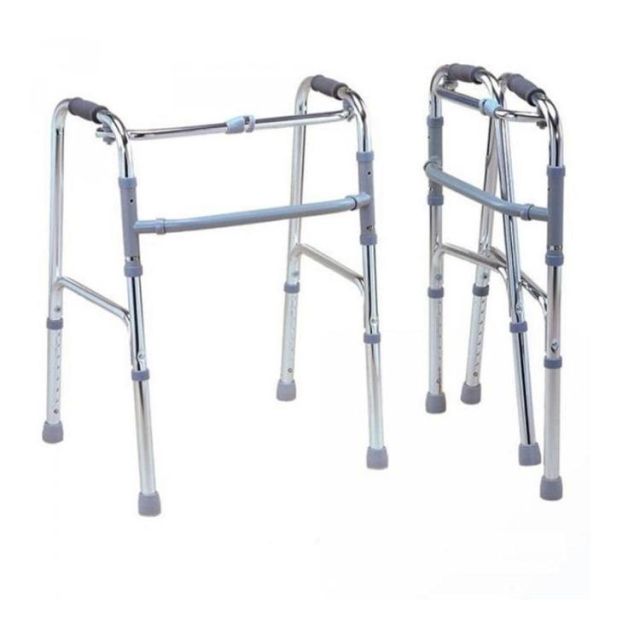
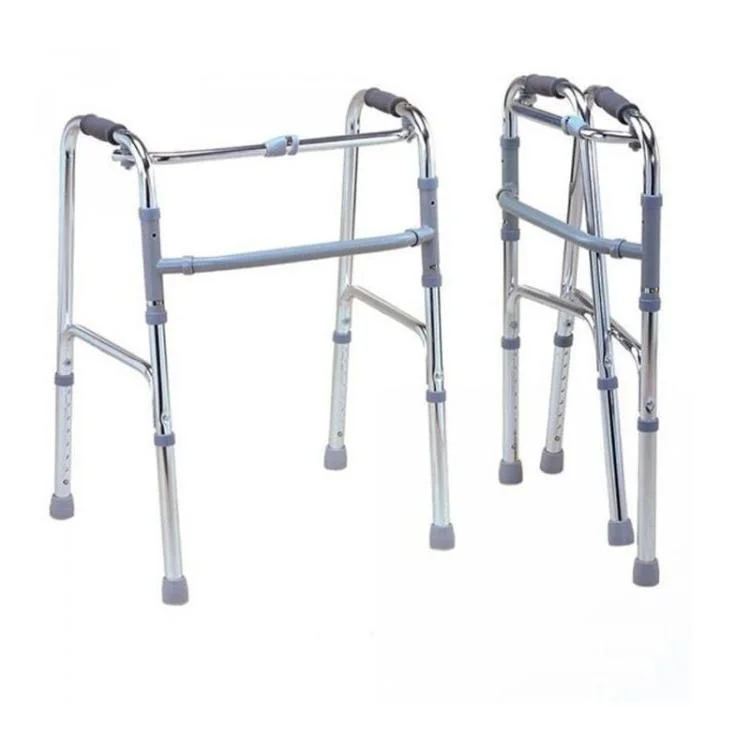
Folding Walker Lightweight
Rs. 3,000
Kathmandu
🚚 Delivers nationwide
Buy & Sell Walkers & Crutches in Nepal
Sourcing reliable mobility support equipment demands a transparent platform that prioritizes local safety over retail margins. Gaubazar serves as Nepal's 100% free peer-to-peer classified directory and marketplace, bridging the gap between local buyers and sellers directly. Whether your family is dealing with a temporary rehabilitation period, exploring the current crutches price in Nepal, or tracking down a specialized rollator walker, our commission-free platform ensures equipment remains accessible without retail markups or broker fees.
On Gaubazar, users can discover an extensive selection of physical assistance tools tailored to distinct rehabilitation goals and home environments. The marketplace features direct listings for brand-new items, affordable second-hand models, and supplier-refurbished equipment. By bypassing automated checkouts and middlemen, buyers can communicate directly with nearby owners to negotiate pricing, verify structural history, and arrange essential face-to-face inspections before making a payment.
The Walkers & Crutches Marketplace in Nepal
Managing physical recovery or aging at home requires adaptive tools that match the physical layout of Nepali households. Gaubazar provides an open environment where families can quickly secure critical support devices or pass them along to another household once recovery is complete.
Who Buys Mobility Aids on Our Platform?
- Rehabilitation Patients: Individuals navigating short-term recovery after a major leg fracture, sports injury, ankle sprain, or delicate orthopedic surgery.
- Surgical Recovery Groups: Patients requiring structural assistance immediately following complex hip replacement or knee replacement procedures.
- Seniors & Caregivers: Families searching for a reliable walking aid to address permanent balance disorders, muscle weakness, or age-related stability issues.
- Neurological Care Networks: Stroke survivors and individuals managing progressive neurological conditions who require daily, multi-point weight distribution.
Who Sells Mobility Aids on Our Platform?
- Private Individuals: Families clearing out storage space and recovering original costs after a relative has safely completed their rehabilitation program.
- Medical Equipment Suppliers & Importers: Distributors and medical equipment suppliers listing available inventory directly to the community without retail broker listings.
- Clinics & Rehabilitation Centers: Facilities updating their active patient inventory or liquidating surplus, professional-grade support tools.
Why Walkers & Crutches Are in Demand
The layout of domestic spaces and public pathways across Nepal creates distinct challenges for individuals navigating mobility issues. Traditional Nepali homes are regularly built with narrow, multi-story brick or concrete footprints where bedrooms sit multiple flights of stairs away from communal spaces. Navigating these steep interiors during stroke rehabilitation or post-surgery healing makes direct room-level support essential.
Outside the home, the physical terrain demands exceptional equipment durability. Urban and suburban corridors frequently feature steep hills, structural slopes, uneven roads, and high roadside curbs, alongside a general lack of wheelchair ramps and accessible infrastructure. Due to these real-world conditions, matching a patient with a resilient, stable frame or underarm support system can make a profound difference in protecting them from sudden fall risks.
Local Terms & Search Behavior
When using a peer-to-peer directory in Nepal, search habits often shift between standardized medical phrasing and localized terminology. Buyers frequently look for an adult walker or a senior walker when sourcing four-legged frames for elderly relatives. Concurrently, underarm and elbow support devices are universally searched for using the local term Baisakhi. Understanding these variations helps buyers and sellers communicate clearly on listings, ensuring that families can easily find the exact style of walking support equipment they need.
Types of Walkers Available
Reviewing frame styles helps ensure the chosen support device matches the user's upper-body strength and physical environment when searching through walkers in Nepal.
Standard Walker
Suitability: Best for users with significant balance issues who require maximum stability and can safely lift the frame with every step.
Key Visual Features: A classic, non-wheeled four-legged rigid frame constructed from tubular aluminum with slip-resistant rubber tips.
Reciprocal Walker
Suitability: Designed for patients who lack the core strength to lift a full frame forward or are relearning natural gait cycles during neurological therapy.
Key Visual Features: Built with a specialized central pivot hinge that allows each side of the frame to slide forward independently in sync with the user's steps.
Folding Walker
Suitability: The ideal choice for families with limited storage space or patients who must frequently travel by public bus, taxi, or micro-bus to clinical appointments.
Key Visual Features: Features a quick-release push-button paddle mechanism that allows the side panels to collapse completely flat.
Two-Wheel Walker
Suitability: Tailored for users who require forward pacing support but lack the balance needed to handle a fast, free-rolling four-wheeled design.
Key Visual Features: Equipped with two fixed front wheels paired with two standard friction rubber rear legs.
Four-Wheel Walker (Rollator)
Suitability: Best for active seniors or community mobility support users who can walk independently but experience sudden fatigue and require regular rest breaks.
Key Visual Features: Features four rolling caster wheels, loop-style hand brakes, a built-in padded seat, and an under-seat storage basket.
Bariatric Walker
Suitability: Heavy-duty support option engineered to provide absolute safety for larger individuals who exceed standard equipment weight thresholds.
Key Visual Features: Noticeably wider interior frames, reinforced steel cross-braces, and high-gauge metal tubing.
Types of Crutches Available
When searching for crutches in Nepal, selecting the appropriate model depends directly on the duration of recovery and the required level of leg weight clearance.
Axillary Crutches
Suitability: The standard short-term choice for sudden lower-limb fractures, ankle sprains, or post-cast healing cycles where full weight clearance is required.
Key Visual Features: Traditional underarm frame design with a vertical telescoping leg, foam underarm pads, and adjustable handgrips.
Forearm Crutches
Suitability: The preferred long-term solution for permanent mobility conditions, providing excellent agility and reducing underarm nerve pressure.
Key Visual Features: Features an open or semi-closed plastic forearm cuff, an ergonomic angled handle grip, and a short upper-arm shaft.
Platform Crutches
Suitability: Essential for users dealing with severe arthritis, stroke-related hand weakness, or wrist fractures that make gripping standard handles impossible.
Key Visual Features: Designed with a wide horizontal padded arm cradle slab and an adjustable steering joystick handle.
Pediatric Crutches
Suitability: Sized specifically for children recovering from sports injuries or congenital bone conditions.
Key Visual Features: Scaled-down aluminum frames featuring bright, non-clinical color accents and short, narrow adjustment intervals.
Heavy-Duty Crutches
Suitability: Built for high-impact use by larger users requiring reinforced weight distribution.
Key Visual Features: Double-reinforced vertical uprights paired with thick, industrial-grade rubber bottom tips.
Walker vs. Crutches: Choosing the Correct Device
Selecting between these two categories depends on the patient's balancing capability and whether a leg must be kept completely off the ground:
- Balance & General Frailty Issues: A walker is required. Crutches require significant core coordination and upper-body strength. If a senior user is prone to dizziness, an enclosed four-legged frame provides a dependable safety zone.
- Complete Non-Weight Bearing Leg Fractures: Crutches are the standard choice. Because a walker must be advanced forward on all legs continuously, it is difficult to maintain a strict zero-weight profile on one leg while moving. Crutches allow the patient to swing their body forward while keeping the injured leg elevated.
- Stroke Rehabilitation Pathways: A walker is almost universally preferred. Post-stroke recovery often involves partial weakness on one side of the body, making a wide, four-point base necessary to prevent sideways falls.
- Temporary Lower-Limb Injuries: If the user possesses good upper-body strength, a pair of underarm crutches can offer greater mobility in tight spaces such as tight household doorways and narrow hallways.
- Long-Term Mobility Support Requirements: A walker or rolling rollator frame is ideal. It distributes body weight evenly across both arms and legs, reducing fatigue and joint strain during extended use.
Rollator vs. Standard Walker
When choosing an adult walker, families often compare a 4 wheel walker with seat against a static four-legged frame. A standard walker requires the user to lift the entire device forward with each step, providing maximum, rigid weight-bearing support for indoor environments. In contrast, a rollator walker rolls continuously on wheels and relies on manual loop brakes to control pace. The primary advantage of a rollator is community mobility; it features a built-in seat and storage basket, making it perfect for seniors who face sudden fatigue and require rest breaks while navigating outdoor walkways. However, for those with severe balance disorders who need a completely immovable brace, a standard walking frame remains the safer choice.
Common Recovery & Mobility Scenarios
Home care needs often change based on the specific phase of recovery. Matching your situation to these scenarios helps guide you toward the right type of equipment:
After Hip Surgery or Knee Surgery
Immediately following a joint replacement, maintaining a safe, controlled alignment is essential. A front-wheeled folding model allows patients to move forward smoothly without the jarring motion of lifting a standard frame, protecting the fresh joint from sudden twists.
After Leg Fracture or Ankle Injury
When a bone is knitting back together, underarm or forearm styles provide the necessary clearance to keep the foot elevated. This allows patients to remain mobile for work or school while keeping weight off the healing limb.
Stroke Rehabilitation
Relearning a natural gait requires steady, predictable upper-body support. Reciprocal frames move forward one side at a time, mimicking the natural swing of arms and legs to help rebuild neurological pathways safely.
Elderly Mobility Support & Balance Problems
When general weakness makes walking to a separate room tiring, a rollator style offers a practical solution. The built-in seat gives seniors the freedom to rest whenever needed, turning long, stressful hallways or outdoor pathways into manageable walks.
How to Choose the Right Walking Aid
Before contacting a seller to arrange an in-person meeting, evaluate these practical daily usage factors:
- Weight-Bearing Capacity: Check the user's weight against the structural capacity of the frame. Operating near an aid's structural threshold can cause aluminum tubing to flex under stress.
- Indoor vs. Outdoor Environments: Standard four-legged units with rubber tips offer excellent traction on flat indoor tiles but can snag on unpaved outdoor paths. Outdoor usage typically requires large rolling caster wheels.
- Storage & Vehicle Transport Limits: Measure your home's entry points and the trunk space of your vehicle. A folding model is essential if the aid must be frequently stowed inside a car or taxi.
- Caregiver Assistance Levels: If a patient can move independently but needs regular breaks, a rollator with loop brakes is ideal. If they require heavy physical steering help from a caregiver, a simple wheeled frame is often more effective.
New vs. Used vs. Refurbished: Marketplace Matrix
Understanding the condition tiers on a peer-to-peer platform helps you balance your family budget with real safety expectations:
| Condition | Typical Buyer | Advantages | Things To Verify Before Exchange |
|---|---|---|---|
| Brand New | Long-term care users or patients with permanent mobility limitations. | Unused components, full material lifespan, and minimal wear. | Check that all height-adjustment pins click firmly into place. |
| Used | Families managing a brief 4-to-8 week fracture recovery window. | Provides significant savings compared to retail store costs. | Check for bent aluminum tubing, deep structural scratches, and worn rubber feet. |
| Refurbished | Value-conscious buyers looking for reliable stability without brand-new pricing. | Worn parts like rubber ferrules or hand foam grips have been fully replaced. | Verify that the replacement components fit the original frame securely. |
Walker & Crutches Prices in Nepal
Because Gaubazar functions as an open peer-to-peer directory rather than a fixed retail storefront, there are no static catalog prices. Resale values are determined organically by active market demand, manufacturing materials, and the structural condition of the listed device:
In the open marketplace, values follow a clear ladder based on design complexity. Basic used underarm crutches and standard non-wheeled frames sit at the most budget-friendly tier, making them highly accessible for short-term recovery. Mid-range pricing applies to adjustable forearm models and two-wheel folding options, while premium multi-function rollator walkers with integrated braking loops, bariatric frames, and aluminum alloy platform units command higher resale values due to their specialized engineering and advanced feature sets.
Buying Used Walkers & Crutches
Acquiring a used walker or a set of second-hand crutches is a practical way to manage short-term medical recoveries without overspending. Because a bone fracture or joint sprain often heals completely within a couple of months, buying a pre-owned aid allows families to access premium designs at a fraction of retail costs. Sourcing a used device locally also ensures you can pick up the item immediately, avoiding delivery delays when a patient is ready to leave the hospital.
Used Mobility Equipment Inspection Checklist
Before completing your transaction or exchanging any money, systematically test these structural points with the seller present:
For Walkers & Rolling Frames
- Tubing Alignment: Look down the length of the metal legs from an eye-level view. The aluminum or steel tubing must be completely straight, showing zero dents, bowing, or structural bends from previous impacts.
- Joint Stability: Shake the frame firmly from side to side. Check for loose play or clicking noises at the main rivet junctions and cross-braces.
- Height-Adjustment Detent Buttons: Push every single telescoping adjustment button completely into its column. It must spring back out forcefully and lock perfectly into its matching alignment hole.
- Folding Mechanism Response: Open and collapse the unit multiple times. The release paddles or buttons must glide smoothly without sticking or requiring heavy force.
- Caster Wheel Alignment: Spin rolling wheels by hand. They must rotate freely without wobbling, pulling to one side, or showing cracks along the plastic hubs.
- Hand Brake Response: On rollator models, engage the loop hand brakes and try to push the frame forward. The brake pads must lock the tires instantly.
For Crutches (Baisakhi)
- Rubber Bottom Tip (Ferrule) Traction: Pull the rubber tip off the leg bottom if possible, or look closely at the tread base. Worn rubber tips turn aluminum poles into dangerous slipping hazards, especially on polished household tiles or smooth floors. Ensure the inner metal tube hasn't worn through the rubber base.
- Underarm & Handgrip Foam Integrity: Squeeze the underarm pads and hand grip cushions firmly. Look for deep cracks, crumbling foam, or flaking material that could cause friction or skin irritation during use.
- Forearm Cuff Rigidity: Flex the plastic arm cuffs on forearm models. The plastic must be firm and semi-flexible, showing zero white stress lines or hairline cracks that could cause the support to snap under a heavy load.
Common Buying Mistakes
Avoid these frequent pitfalls to ensure your home recovery setup remains safe and practical:
- Choosing the Wrong Frame Height: Buying a device without checking its height range can cause users to slouch forward or strain their shoulders, leading to secondary back pain.
- Ignoring Rated Weight Limits: Using a standard, lightweight frame for a bariatric patient puts excessive stress on the joints and welds, risking a sudden collapse.
- Sourcing an Outdoor Aid for Strict Indoor Use: Buying a wide, non-folding outdoor rollator for a home with narrow door frames can leave the user trapped out of small rooms and restrooms.
- Skipping the In-Person Floor Traction Test: Failing to test how well the rubber feet grip smooth surfaces before handoff can lead to dangerous slips once the equipment is brought home.
How to Sell Walkers & Crutches on Gaubazar
If your family has successfully completed rehabilitation and no longer requires an assistive aid, you can easily sell your walker or list your used crutches to support another local family:
- Capture Clear Structural Photos: Take well-lit pictures of the full frame against a neutral background. Include close-up shots of the rubber bottom tips, the clean hand grips, and the height adjustment buttons.
- Disclose Measurements & Adjustment Limits: Explicitly state the minimum and maximum handle heights from the ground, along with the maximum weight limit specified by the manufacturer.
- Detail Any Included Accessories: Mention if your listing includes helpful extras like attachable front wheel kits, replacement rubber tips, or underarm padding cushions.
- State the Cleaning and Disinfection Status: Let potential buyers know if the frame and grips have been thoroughly sanitized with medical disinfectants, as clean, ready-to-use listings attract fast interest.
Safety & Verification Guide for Direct Transactions
Because Gaubazar operates as an open classified directory without processing payments or managing shipping, users should follow smart transaction safety guidelines:
Core Safety Principle: Always coordinate your equipment inspections and handovers in well-lit, easily accessible public locations. Practical choices include busy hospital reception areas, community pharmacy parking lots, or clear neighborhood landmarks. Bring a friend or family member along to help verify the equipment and test the structural settings in person.
Never share sensitive financial details or send advance digital deposits to secure a listing. Take your time completing the physical inspection checklist, and only exchange funds once you are completely satisfied that the device is safe for patient use.
Why Use Gaubazar?
Gaubazar is designed from the ground up to support localized peer-to-peer equipment matching without the added costs and restrictions of standard online stores:
- 100% Free Classified Listings: Post, edit, or search through health and mobility categories without facing hidden registration or platform fees.
- Zero Marketplace Commissions: Keep the entire amount of your negotiated price; Gaubazar never deducts success fees or transaction percentages.
- Direct Buyer-to-Seller Communication: Call or message local owners directly to ask specific questions, negotiate values, and coordinate fast handovers.
- No Platform Middlemen: Deal directly with the person who actually used and maintained the device, avoiding broker delays.
- Hyperlocal Community Discovery: Find nearby listings within your neighborhood to minimize travel times and eliminate heavy transport costs.
- In-Person Physical Inspections: Protect your family budget by paying only after you have personally tested the item's safety locks and frame integrity.
Find Walkers & Crutches Listings Today
Whether you are comparing walker price in Nepal options, looking to buy walkers for short-term recovery, or trying to find second-hand Baisakhi options from a nearby family, Gaubazar simplifies the process. Start exploring active local listings to discover affordable manual frames, rolling rollators, and adjustable crutches near your neighborhood through a trusted, commission-free marketplace.