
Acoustic pianos
1 listing
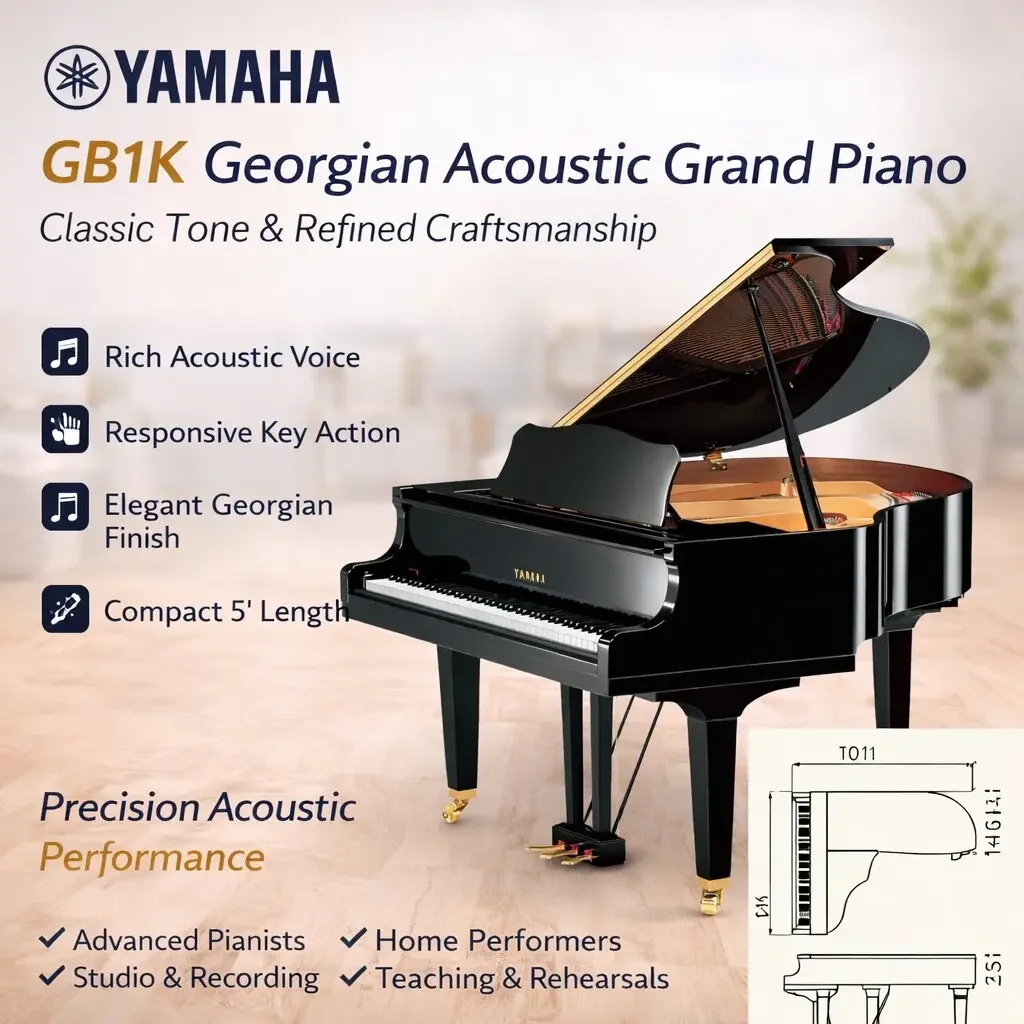
Acoustic Pianos in Nepal – A Sound That Lives and Breathes
An acoustic piano is different.
It does not rely on speakers or digital sampling. It responds to touch. It vibrates naturally. It fills a room with depth that electronics attempt to imitate.
For many musicians and families in Nepal, owning an acoustic piano is not simply about music — it is about presence, tradition, and long-term commitment.
If you are researching an acoustic piano in Nepal or comparing the current piano price in Nepal, understanding what you are investing in makes all the difference.
Why Acoustic Pianos Feel Different
When you press a key on an acoustic piano:
A hammer strikes a steel string.
The string vibrates.
The wooden soundboard amplifies the resonance.
That physical interaction creates warmth, tonal depth, and dynamic expression that no speaker system can truly replicate.
This is why classical musicians and institutions continue to value acoustic instruments.
Upright or Grand – Which One Is Right?
Most homes and music schools in Nepal prefer upright pianos. They are more compact while still delivering full acoustic performance.
Grand pianos offer greater projection and richer tonal range due to their horizontal string design and larger soundboard. They are ideal for performance halls and advanced institutions.
The choice depends on available space, performance needs, and budget.
Finding Acoustic Pianos Near You
If you are searching for “acoustic piano near me,” always inspect in person.
Because of their size and transport requirements, delivery planning is important.
Listings may be available in Kathmandu, Lalitpur, Pokhara, and other major cities.
Testing before purchase protects your investment.
Acoustic Piano Price in Nepal – What to Expect
Acoustic pianos are long-term investments.
Here is a realistic price range in Nepal:
| Type | Price Range (NPR) |
|---|---|
| Upright Pianos | Rs. 300,000 – 900,000 |
| Premium Uprights | Rs. 900,000 – 1,500,000 |
| Grand Pianos | Rs. 1,500,000 – 5,000,000+ |
Pricing varies depending on:
- Brand origin
- Age and overall condition
- Maintenance history
- Soundboard and action quality
- Import availability
Used acoustic pianos may cost less, but careful inspection is critical.
What Serious Buyers Inspect
Before finalizing a purchase:
- Play across the full keyboard range
- Listen for uneven tonal response
- Check key weight consistency
- Ask about recent tuning
- Inspect for structural cracks
- Confirm maintenance history
If possible, consult a qualified technician.
An acoustic piano can last decades when properly maintained.
Climate Considerations in Nepal
Nepal’s seasonal humidity changes can impact wooden instruments.
Excess moisture or dryness can affect:
- Tuning stability
- Wood expansion and contraction
- Internal alignment
Placing the piano away from direct sunlight and maintaining stable room conditions helps preserve sound quality.
Regular tuning — usually once or twice a year — keeps the instrument performing properly.
Acoustic Piano vs Digital Piano – A Practical Comparison
Acoustic pianos offer:
- Natural string resonance
- Mechanical authenticity
- Rich dynamic range
- Traditional visual presence
Digital pianos offer:
- No tuning requirements
- Volume control
- Headphone practice
- Lower maintenance
For classical training and authentic feel, acoustic remains unmatched.
For compact living and convenience, digital may be more practical.
Frequently Asked Questions
What is the starting acoustic piano price in Nepal?
Upright pianos typically begin around NPR 300,000, depending on condition and brand.
How often does an acoustic piano need tuning?
Most pianos require tuning once or twice per year, depending on usage and climate conditions.
Is buying a used acoustic piano safe?
Yes, if the instrument is inspected for structural integrity, tuning stability, and action mechanism condition.
How long does an acoustic piano last?
With proper maintenance, a quality acoustic piano can last several decades.
Does humidity affect acoustic pianos in Nepal?
Yes. Humidity changes can impact wood structure and tuning stability. Maintaining stable room conditions helps protect the instrument.
Is an acoustic piano better than a digital piano?
For tonal authenticity and mechanical response, yes. For convenience and lower maintenance, digital pianos are more practical.
Final Thought
An acoustic piano is not just another listing.
It becomes part of a home.
Part of a classroom.
Part of someone’s musical growth.
If you are ready for that level of commitment, take your time, compare carefully, and choose wisely.