Nepali Traditional Instruments – The Living Sound of Our Heritage
Before amplifiers, before recording studios, before digital production — there was rhythm carried by the wind in the hills.
There were drums echoing through villages, strings singing in mountain valleys, and bamboo flutes guiding stories across generations.
Nepali traditional instruments are not simply musical tools.
They are living expressions of culture, identity, and memory.
From the steady pulse of the Madal to the emotional voice of the Sarangi, these instruments continue to define the sound of Nepal.
This category brings together authentic Nepali folk instruments — whether for performance, preservation, education, or global appreciation.
🎶 Instruments That Carry Community
Each traditional instrument is deeply connected to a region and its people.
Some accompany wedding processions.
Some guide religious rituals.
Some were once carried by traveling folk musicians who shared news and stories through song.
Within this category, you will find:
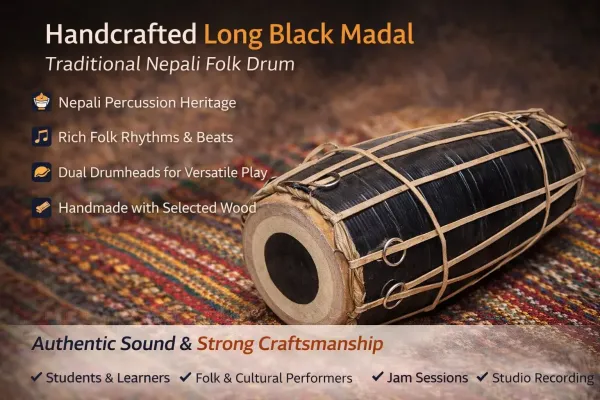
- Madal – The heartbeat of Nepali folk rhythm
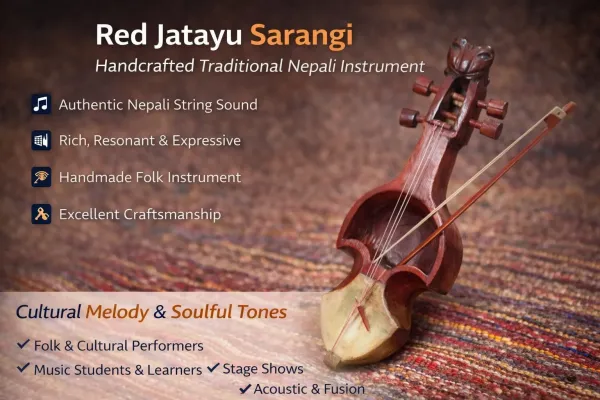
- Sarangi – A bowed instrument known for its expressive tone
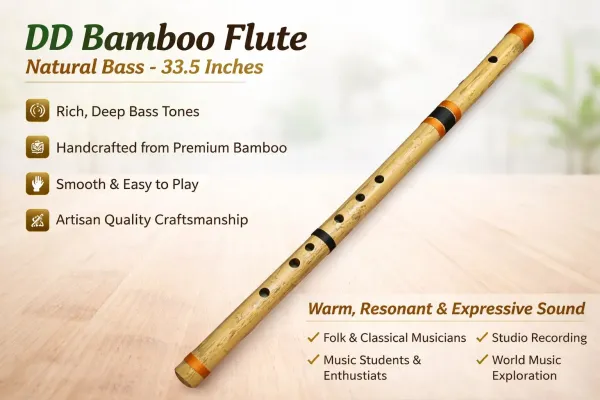
- Bansuri – A bamboo flute with natural, meditative sound
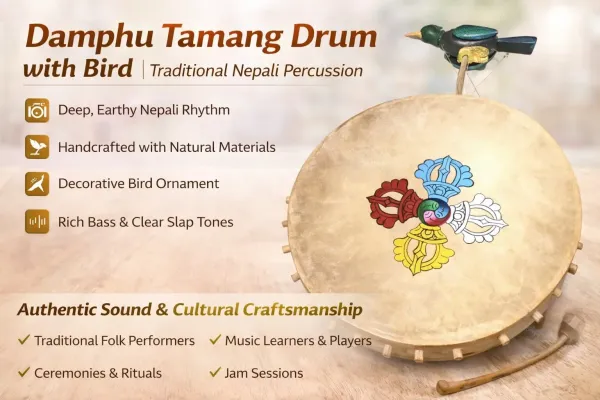
- Damphu – Traditionally associated with Tamang culture
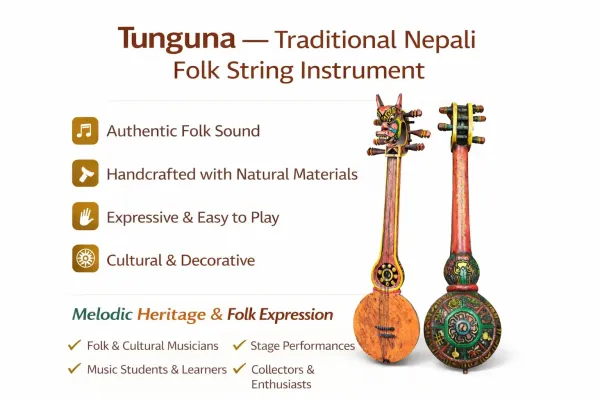
- Tungna – A Himalayan plucked string instrument
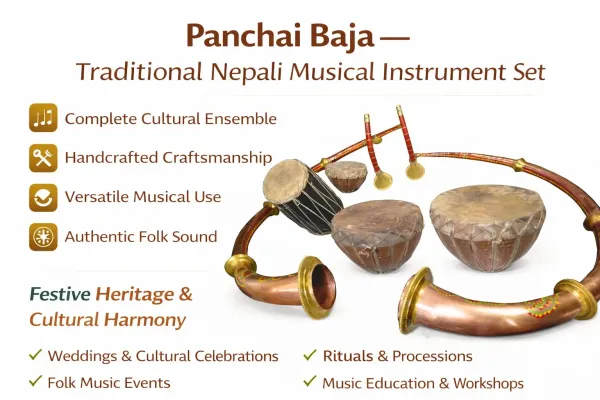
- Panche Baja – A ceremonial ensemble used in celebrations
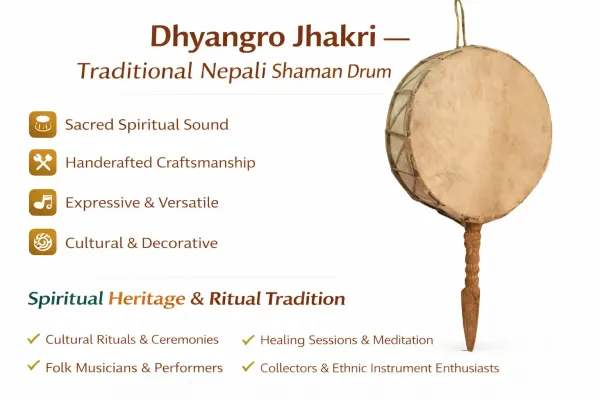
- Dhyangro – A ritual drum used in spiritual traditions
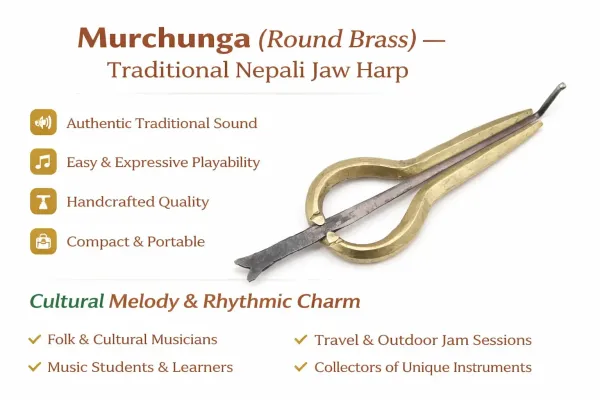
- Murchunga – A small metal instrument producing rhythmic vibration
These instruments are not separate from culture — they are part of it.
🎨 Crafted by Hand, Not Assembly Line
Unlike factory-produced modern instruments, many Nepali traditional instruments are handmade.
They are shaped using:
- Local wood
- Bamboo
- Animal skin
- Natural fibers
- Metal crafted by regional artisans
Each piece reflects the hands that built it. Slight variations are not flaws — they are authenticity.
Supporting traditional instruments also supports the artisans who preserve these crafts.
📍 Finding Traditional Instruments Near You
If you are searching for Nepali traditional instruments near you, local inspection is important.
Because many are handmade, quality can vary.
Before purchasing:
- Check wood finishing and structural stability
- Test tonal clarity and resonance
- Inspect drum skin tension
- Ask about regional origin
- Evaluate overall craftsmanship
Listings may be available in Kathmandu, Lalitpur, Pokhara, and other regions — especially areas known for traditional instrument production.
Buying locally helps preserve community craftsmanship and ensures authenticity.
💰 Traditional Instrument Pricing in Nepal
Pricing depends largely on craftsmanship, materials, and instrument size.
General expectations:
- Small handcrafted pieces like Murchunga are more affordable
- Mid-range instruments such as Madal and Bansuri vary by build quality
- Full ceremonial sets like Panche Baja require higher investment
Because many are handmade, price differences often reflect artisan skill rather than brand markup.
Testing before purchase ensures better value.
🌍 From Village Roots to Global Stages
Interest in Nepali folk instruments is expanding beyond Nepal.
Musicians worldwide incorporate these sounds into:
- Fusion music
- Film scoring
- World music projects
- Cultural exhibitions
This growing appreciation creates opportunity — not only for performers but also for artisans and sellers to reach broader audiences.
Traditional sound is no longer local. It is global.
❓ Frequently Asked Questions
Are Nepali traditional instruments handmade?
Many are handcrafted using regional techniques and materials.
Can these instruments be used in modern music?
Yes. They are widely used in fusion, cinematic, and world music projects.
Are they suitable for beginners?
Yes. Instruments like Madal and Bansuri are commonly used by learners.
Does pricing vary by region?
Yes. Craftsmanship and origin influence cost.
Is testing before purchase important?
Yes. Since they are handmade, tonal testing is recommended.
Explore Nepali Traditional Instruments
These instruments are not relics of the past.
They continue to evolve, to perform, and to carry stories forward.
Whether you are learning, performing, collecting, or preserving heritage, this category connects Nepal’s musical roots with today’s world.