
Non-Invasive Ventilation Setup Guide: Clinical Specifications for Home CPAP and BiPAP Ther
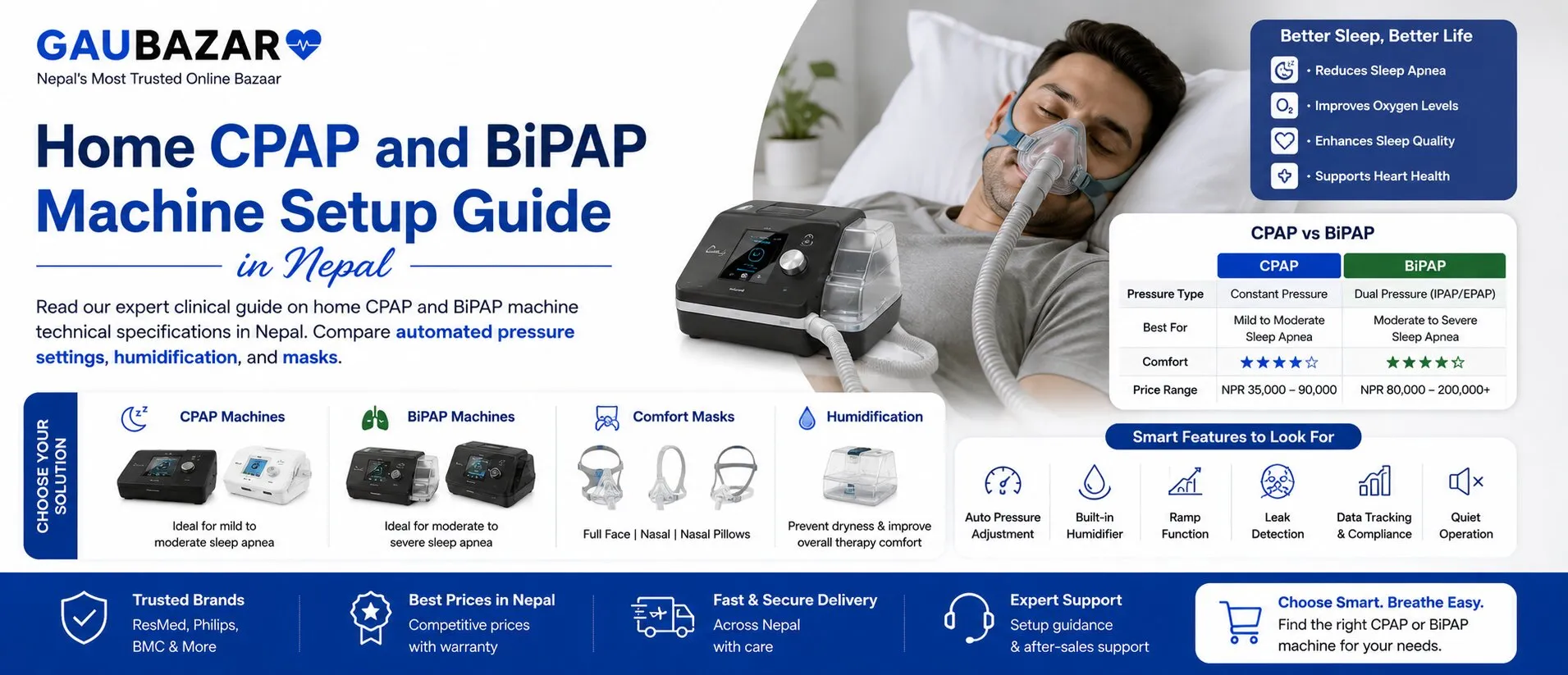
The clinical management of chronic sleep disorders and advanced respiratory insufficiencies at home has transitioned dramatically toward automated positive airway pressure systems. For patients diagnosed with Obstructive Sleep Apnea (OSA), Central Sleep Apnea (CSA), or Chronic Obstructive Pulmonary Disease (COPD) complicated by hypercapnia, these non-invasive ventilation machines serve as vital therapy tools. By delivering controlled columns of pressurized ambient air through a specialized interface, these systems physically prevent upper airway collapse and reduce the dynamic work of breathing.
However, implementing home breathing therapy requires calculating precise mechanical and volumetric specifications rather than simply plugging in a device. Utilizing incorrect pressure parameters or a poorly configured mask interface can cause immediate non-compliance, mucosal drying, or carbon dioxide rebreathing. To establish an authoritative technical reference for medical professionals and caregivers, this comprehensive blueprint maps out therapeutic pressure calibrations, internal algorithm tracking, and local device segments before you secure a bipap machine.
1. The Engineering of Airway Calibration: Key Parameters
To evaluate a respiratory ventilation device with the precision of a trained biomedical engineer, you must understand the mechanical control metrics that govern pressure delivery. Prioritize these four core system parameters before making an investment:
- Centimeters of Water Pressure (cm H2O): This is the universal metric used to quantify the physical pressure delivered by the internal blower motor. CPAP units generally operate within a continuous window of four to twenty centimeters of water pressure. Advanced BiPAP machines can scale up to twenty five or thirty centimeters of water pressure, providing the elevated pneumatics necessary to lift the chest wall in restrictive lung conditions.
- Expiratory Pressure Relief (EPR) and Ramp Settings: Breathing out against a constant column of high pressure can feel incredibly suffocating for a sleeping patient. Advanced systems incorporate an expiratory relief algorithm that momentarily drops the motor speed by one to three units the exact millisecond exhalation is detected, ensuring a natural breathing cycle. Concurrently, ramp functions allow the machine to start at a very low pressure and gradually climb to the therapeutic target over forty five minutes.
- Inspiratory versus Expiratory Positive Airway Pressure (IPAP/EPAP): Exclusive to dual level BiPAP machines, this dual pressure profiling mimics natural pulmonary dynamics. IPAP provides high pressure during inhalation to assist air intake, while EPAP drops to a lower baseline pressure during exhalation to maintain open alveoli. The mathematical difference between IPAP and EPAP represents the true pressure support value.
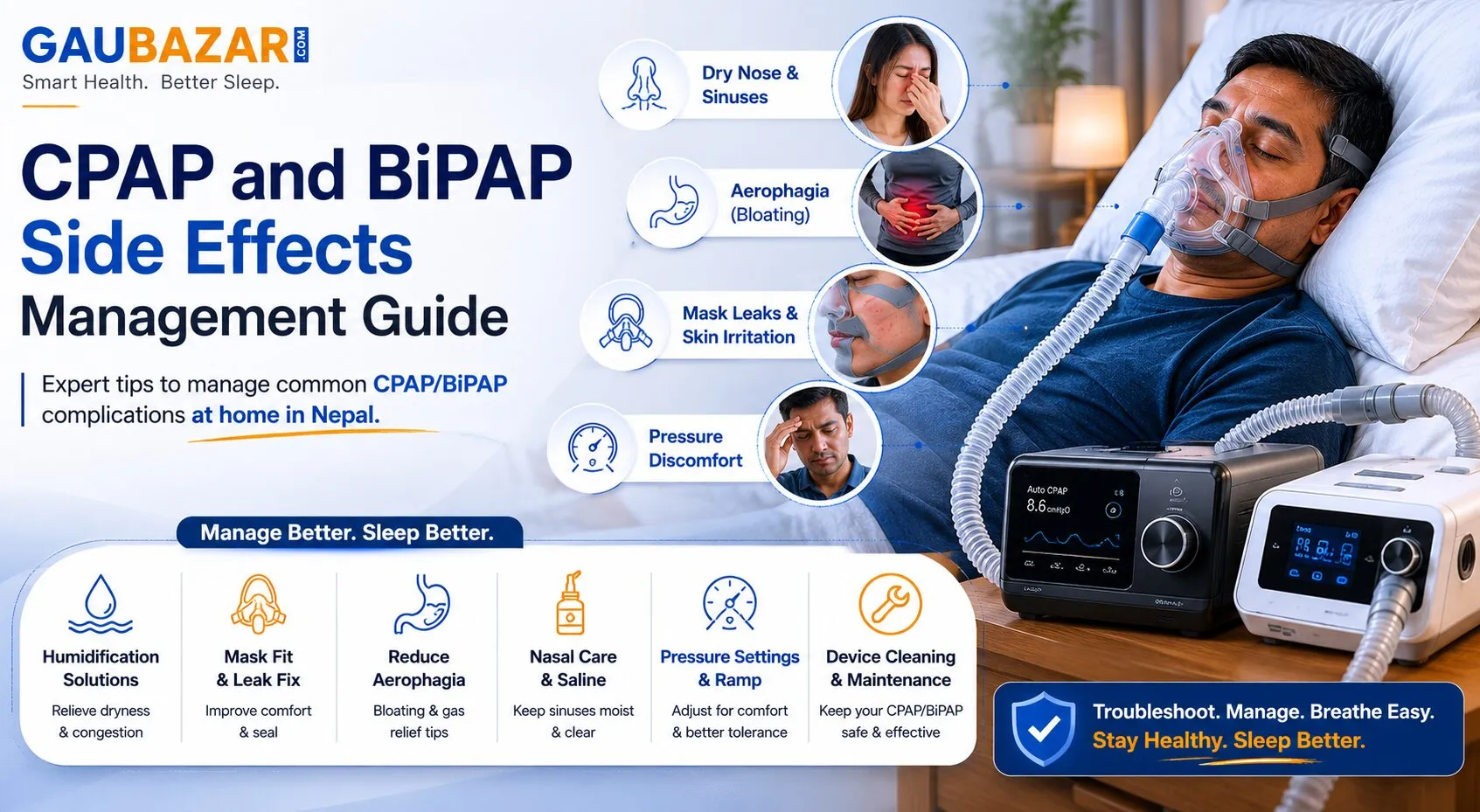
- Heated Humidification and Rainout Prevention: Passing high velocity air continuously through nasal passages will instantly dehydrate mucosal linings, causing severe irritation or nasal bleeding. Medical grade stations integrate built in heated humidifiers with multi-stage temperature controls. Elite setups utilize heated breathing tubes that adjust temperature dynamically to prevent rainout, which occurs when warm moisture condenses into water droplets inside the tubing.
2. Standardized Marketplace Pricing and Calibration Matrix
The total financial investment required to source a home care non-invasive ventilator depends on internal processor processing speeds, algorithmic tracking modules, and official distributor warranty terms. Review this detailed specification and cost matrix reflecting active valuations across the primary configurations traded in the market:
| Machine Classification and Type | Therapeutic Pressure Boundaries | Integrated Diagnostic Software | Average Marketplace Cost in Nepal |
|---|---|---|---|
| Manual Fixed-Pressure CPAP System | 4 to 20 cm H2O (Static Calibration) | Basic SD Card Tracking Logs | Rs. 35000 to Rs. 42000 |
| Automated Auto-CPAP (APAP Machine) | 4 to 20 cm H2O (Dynamic Scaling) | iCode QR Tracking and Cloud Reporting | Rs. 41000 to Rs. 55000 |
| Premium Travel Auto-CPAP Unit | 4 to 20 cm H2O (Micro-Blower) | Bluetooth App Integration Support | Rs. 58000 to Rs. 70000 |
| Standard BiPAP S (Bi-Level) Station | 4 to 25 cm H2O (Dual Profile) | Spontaneous Breath Cycle Detection | Rs. 49000 to Rs. 65000 |
| Advanced BiPAP ST30 Hospital Grade | 4 to 30 cm H2O (Backup Rate) | Target Volume and Leakage Management | Rs. 62000 to Rs. 85000 |
| Flagship ResMed AirSense / Löwenstein | 4 to 20 or 30 cm H2O (Ultra-Quiet) | Advanced Central Apnea Discrimination | Rs. 115000 to Rs. 185000 |
When selecting a therapy machine, aligning the technical classification with your physician precise prescription slip is mandatory. For households analyzing budget structures or sourcing supplementary accessories, exploring historical market information is an excellent secondary step. You can review our detailed clinical analysis comparing cpap versus bipap machines to understand how different airway pressure algorithms manage unique pulmonary conditions.
3. Selecting the Correct Mask Interface: Nasal versus Full Face
A machine is only as effective as the mask interface sealed against the patient face. An improper choice can cause continuous air leaks, leading to drop-offs in therapeutic pressure. Caregivers must select from three distinct mask configurations:
Nasal Pillows: These minimalist interfaces insert small, soft silicone cones directly into the nostrils. They are incredibly lightweight, offer an open field of vision, and are ideal for patients who feel claustrophobic or wear glasses. However, they are unsuited for high pressure settings exceeding twelve centimeters of water pressure, as the direct airflow can cause nasal soreness.
Nasal Masks: These triangular cups seal over the entire nose from the bridge down to the upper lip. They distribute pressure evenly, making them a fantastic choice for patients who require moderate to high pressure levels. They require the user to keep their mouth closed during sleep to prevent pressure from escaping.
Full Face Masks: These comprehensive interfaces cover both the nose and the mouth entirely. They are medically mandatory for mouth breathers, elderly patients with loose jaw muscles, or chronic patients requiring an advanced bipap machine price in nepal configuration. Built-in anti-asphyxia safety valves ensure the patient can breathe room air instantly if the power drops unexpectedly.
4. Algorithmic Data Tracking and Compliance Monitoring
Modern respiratory equipment operates as intelligent diagnostic computers. To evaluate if the therapy is successfully reversing sleep apnea episodes, clinicians rely on data captured during sleep cycles. Ensure your chosen model includes these data tracking tools:
- Apnea-Hypopnea Index (AHI) Tracking: The internal flow sensors calculate how many times per hour a patient suffers from partial or complete breathing pauses lasting longer than ten seconds. Successful therapy should drive the baseline AHI score safely below five episodes per hour.
- Air Leakage Management: No mask seal is completely perfect. Machines can automatically compensate for minor structural air leaks by increasing blower speeds. If the leak rate exceeds a critical threshold, the internal computer flags a leak warning, indicating that the headgear straps need adjustment.
- iCode and Smart Cloud Systems: Leading systems like BMC and ResMed generate encrypted data summaries or scannable QR codes directly on the screen. Caregivers can send these reports via smartphones directly to sleep specialists in Kathmandu, allowing remote therapy adjustments without requiring an in-person clinic visit.
5. Smart Sourcing via Certified Digital Marketplaces
Because sourcing premium medical machinery involves significant initial capital, purchasing units directly from high end retail medical showrooms can introduce steep middleman markups. Navigating digital classified directories to locate verified equipment is an exceptionally smart, cost effective method to manage healthcare budgets.
Many individuals list their pristine condition, gently used therapy units online once a short term post operative recovery phase wraps up successfully. Sourcing a durable, low hour device from a private seller allows you to bypass retail dealer markups, frequently lowering your total out of pocket expense for a certified cpap machine price in nepal by up to fifty percent. Always check the internal machine run hour meter within the clinician settings block to verify the exact history of the motor before finalizing your exchange.
Frequently Asked Questions (FAQs)
1. Can I use standard tap water or mineral water inside my heated humidifier chamber?
No, you should strictly use pure distilled water or water that has been boiled and cooled completely. Standard tap water and commercial mineral water contain heavy mineral deposits like calcium. When heated continuously, these minerals form hard scales on the heating plate, which can ruin the humidifier chamber and choke the internal airflow valves over time.
2. How do I know if my CPAP or BiPAP machine pressure requires adjustment?
If you or your family members notice persistent snoring, sudden gasping for air during sleep, or excessive daytime sleepiness despite using the machine for over six hours a night, your pressure settings may be inadequate. You must consult your sleep specialist to review your data logs before making any changes; never adjust pressure settings without a medical prescription.
3. What is the practical difference between an APAP and a fixed CPAP machine?
A fixed CPAP machine delivers one single, unvarying pressure level throughout the entire night. An Auto-CPAP (APAP) machine contains advanced pressure transducers that continuously monitor your upper airway resistance. It automatically adjusts its output pressure up or down in real time based on your sleeping position and sleep stage, maximizing comfort.
Conclusion
Setting up an effective home breathing therapy environment requires a systematic understanding of pressure thresholds, mask sealing properties, and software compliance reporting. By balancing your clinical prescription metrics against trusted manufacturing specifications and leveraging digital classified directories to compare real time cpap machine price variables, you can make a highly secure purchase. Proceed methodically, test all humidifier safety valves in person, and unlock a deeply restorative, medically safe lifestyle environment for your family.
Comments (0)
No comments yet - be the first to share your thoughts.