
How to Prevent Bedsores: The Role of Adjustable Hospital Beds and Air Mattresses
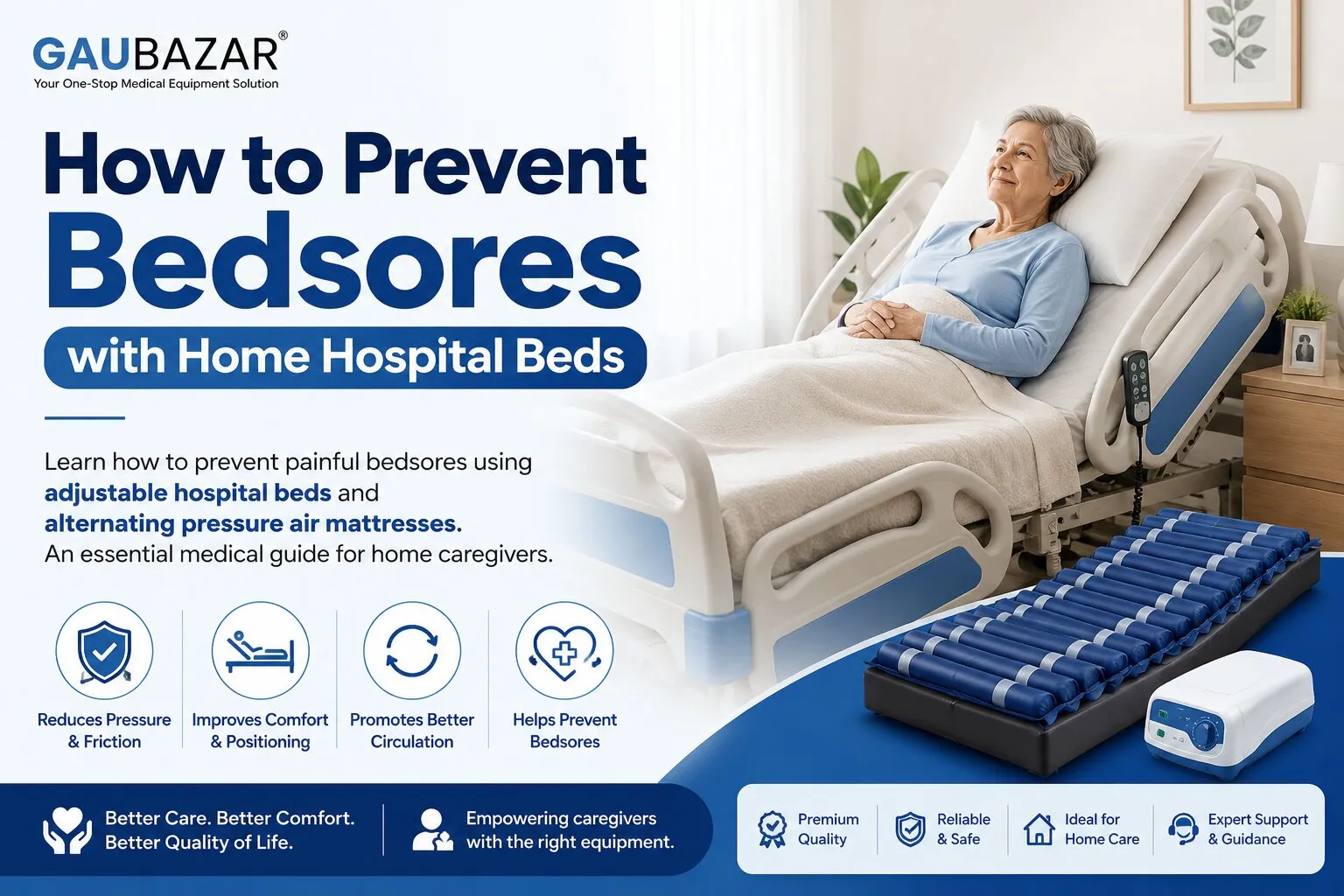
When a family member becomes bedridden due to paralysis, advanced age, or prolonged post surgery recovery, providing daily care expands far beyond basic feeding and medication. One of the most severe, painful, and dangerous complications an immobile patient can face is the development of pressure ulcers, universally known as bedsores. These skin injuries occur when constant, unyielding pressure deprives localized tissues of vital blood circulation and oxygen.
Left unmanaged, minor skin redness can rapidly degenerate into deep, open wounds that are highly susceptible to severe bacterial infections. Fortunately, clinical data proves that the systematic deployment of specialized medical furniture can almost entirely eliminate this risk. Understanding how to integrate advanced positioning mechanisms with the right support surfaces is essential to protect your loved one when setting up hospital beds for home care in Nepal.
The Anatomy of a Bedsore: Why Regular Mattresses Fail
Bedsores typically form over bony prominences where the skeleton sits closest to the skin surface. The tailbone, hips, heels, shoulder blades, and the back of the head are the highest risk zones. On a standard household spring or cotton mattress, a patient weight is concentrated heavily on these specific points. Because a regular mattress cannot adjust its shape or relieve localized stress, the tiny blood vessels supplying the skin are compressed flat, cutting off cellular nutrition.
Furthermore, regular beds force the patient to lie completely flat or lean against standard pillows. This creates a secondary hazard known as shearing. When a patient slides down against the friction of standard cotton sheets, the skin layers are pulled in opposite directions, causing microscopic tearing of the delicate blood vessels beneath. To stop this cycle of tissue degradation, caregivers must utilize specialized medical infrastructure rather than standard home furniture.
How Adjustable Frames Relieve Constant Pressure
The primary clinical defense against tissue breakdown is regular, structured repositioning. Medical protocols dictate that an immobile individual must have their weight distribution shifted at least once every two hours. Attempting this schedule on a flat residential bed places an immense, unsustainable physical burden on family caregivers, leading to severe back strain and fatigue.
This is where an adjustable mechanical frame becomes life changing. By utilizing the articulation functions of specialized medical furniture, you can alter the physical forces acting on the patient body with minimal effort:
- The Power of the Fowler Position: Elevating the head section of the frame between thirty and forty five degrees helps distribute weight across the larger surface of the back and thighs rather than concentrating it solely on the tailbone. This position also aids in respiratory ventilation and safe dining.
- Independent Knee Articulation: Raising the lower section of the bed bends the knees slightly, creating a secure pocket that physically prevents the patient from sliding downward. This completely eliminates the shearing friction that ruins fragile skin.
- Vertical Height Transitions: Motorized vertical adjustments allow caregivers to raise the entire frame to an ergonomic waist level. This enables seamless, close up skin inspections, effortless dressing, and safe transfers to a wheelchair without dragging the patient skin across the bedding.
The Vital Role of an Alternating Pressure Mattress
While an adjustable frame allows you to change positions easily, completely immobile patients require a dynamic, active support surface resting on top of the framework. If you are browsing through standard options, pairing the frame with a specialized medical air mattress is standard clinical best practice for high risk care.
These specialized mattresses consist of rows of interconnected, heavy duty plastic air cells that inflate and deflate in a recurring, automated cycle powered by a quiet electric pump. While one set of air cells supports the patient body, the alternate set deflates entirely, allowing full, unobstructed blood flow to return to the skin tissues above the empty zones. This mechanical cycle ensures that no single part of the patient body remains under continuous, uninterrupted pressure for more than a few minutes at a time, making it the absolute gold standard for ulcer prevention.
A Quick Caregiver Checklist for Comprehensive Skin Protection
While high grade equipment provides the foundation for safety, daily observation routines complete the protective shield. Implement these clinical habits into your home care routine:
- Perform Daily Skin Audits: Every morning, systematically check the tailbone, heels, and hips for any signs of persistent redness, warmth, or skin softening. If a red spot does not fade to normal color within twenty minutes after relieving pressure, tissue damage has initiated.
- Maintain Pristine Moisture Control: Excess moisture from sweat or incontinence weakens the cellular structure of the skin, making it highly vulnerable to tearing. Clean the patient immediately using gentle, pH balanced cleansers and ensure the sheets remain perfectly dry and unwrinkled.
- Optimize Nutritional Intake: A diet rich in proteins, vitamins, and proper hydration is critical to maintaining skin elasticity and accelerating cellular repair. Consult your medical team to build an ideal nutritional plan.
Acquiring Reliable Equipment Safely
Securing professional grade equipment should not be a source of financial stress during a family medical emergency. Because home care needs can range from a few weeks of post op healing to multiple years of elder support, exploring the pre owned market is a highly pragmatic solution.
By bypassing expensive medical storefronts, smart consumers look for family listings online to secure great deals. You can quickly analyze real time options and compare standard hospital bed prices in Nepal to locate budget friendly options. Purchasing a gently used mechanical frame from a private seller and pairing it with a brand new, hygienic air system allows you to establish a top tier, hospital grade care environment at a fraction of the traditional cost.
Frequently Asked Questions (FAQs)
1. Can a bedsore form even if the patient is using an electric air mattress?
Yes, while an electric alternating mattress drastically reduces the risk, it is not an absolute substitute for manual turning. If a patient is left completely unchanged in one position for days, or if the mattress pump pressure is set too low for the patient weight, bedsores can still develop. Active physical repositioning remains mandatory.
2. What is the difference between an alternating pressure bubble mattress and a tube mattress?
Bubble mattresses feature a series of small, bubble shaped air pockets and are generally best suited for early stage pressure sore prevention and lighter patients. Tube mattresses feature larger, cylindrical air tubes that offer deeper pressure redistribution and superior weight support, making them ideal for heavy individuals or advanced care.
3. How do I know if a bedsore requires immediate doctor attention?
Any skin breakdown that shows signs of skin opening, oozing fluid, continuous pus formation, a foul odor, or expanding redness requires immediate clinical intervention. Deep bedsores can progress to severe systemic infections like sepsis if left untreated by medical professionals.
Conclusion
Preventing bedsores requires a proactive combination of attentive caregiver routines and the correct medical equipment. By replacing a standard residential bed with an adjustable mechanical frame, installing a dynamic support system, and staying consistent with turning cycles, you can successfully shield your loved one from secondary medical complications. Take control of your home care setup by checking the active marketplace listings for high quality medical beds for sale and specialized pressure surfaces to secure complete peace of mind.


Comments (0)
No comments yet - be the first to share your thoughts.