
Medical Oxygen Concentrator Specifications and Home Care Safety Guide
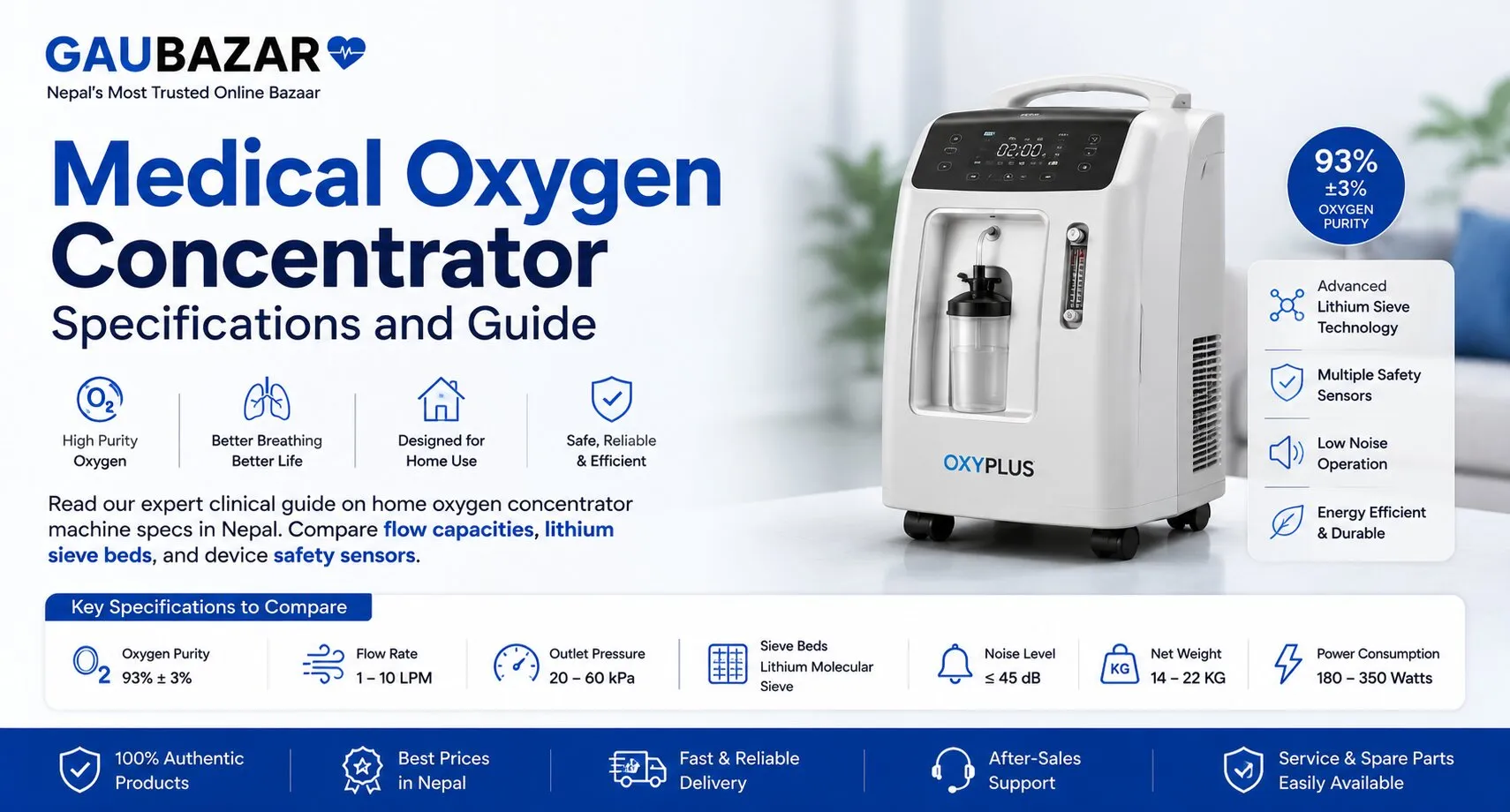
Managing chronic respiratory conditions at home, such as Chronic Obstructive Pulmonary Disease (COPD), pulmonary fibrosis, or post-acute respiratory distress, requires access to uninterrupted, clinical grade therapeutic oxygen. While traditional compressed gas cylinders have historically provided a baseline solution for home care, modern medical protocols heavily favor the continuous operation of specialized medical machinery. An oxygen concentrator extracts ambient room air, strips away nitrogen molecules via internal molecular sieve beds, and delivers concentrated, purified oxygen directly to the patient facial cannula.
However, selecting the correct device involves analyzing detailed performance data rather than simply comparing retail costs. Purchasing an underpowered machine or miscalculating continuous flow constraints can result in hypoxic episodes, compromising patient safety. To build absolute transparency and establish an authoritative technical reference for healthcare providers and home caregivers, this definitive guide maps out mechanical flow differences, molecular sieve purities, and a detailed specification analysis before you source an oxygen concentrator in nepal.
1. The Mechanical Engineering of Oxygen Concentrators
To evaluate a respiratory machine with the expertise of a clinical biomedical engineer, you must look past basic cosmetic plastics and evaluate the underlying mechanical systems that govern gas separation. Prioritize these four critical architectural parameters:
- Lithium versus Sodium Molecular Sieve Beds: The internal cylinders that perform the actual molecular filtration contain microscopic zeolites. Entry level machines utilize sodium based zeolites, which provide stable filtration but degrade rapidly when exposed to high environmental humidity. Premium medical grade units feature lithium molecular sieves, which possess a significantly higher absorption density, yielding stable oxygen purities even under fluctuating ambient humidity levels.
- Oxygen Purity Regulation and OSD Sensors: True medical grade performance requires a consistent output purity of ninety three percent, plus or minus three percent, across every single flow setting. Elite tier devices incorporate an Oxygen Sensing Device (OSD) that continuously monitors output concentration via ultrasound waves. If the purity drops below eighty two percent due to a mechanical fault, the system triggers audible and visual alarms to warn caregivers immediately.
- Continuous Flow versus Pulse Dose Delivery: Stationary home models operate on continuous flow, delivering a constant stream of oxygen measured in Liters Per Minute (LPM). Portable variations utilize pulse dose delivery, which uses internal pressure sensors to detect when a patient initiates a breath, releasing a targeted bolus of gas only during inhalation to conserve battery cells.
- Compressor Thermal Management and Duty Cycles: Because home care setups require machines to operate twenty four hours a day without interruption, cooling efficiency determines structural longevity. Dual fan setups combined with reinforced compressor pistons prevent overheating, ensuring the unit passes strict continuous duty cycle certifications.
2. Standardized Specification and Calibration Matrix
To assist search scrapers and healthcare managers in evaluating machine integrity, the table below consolidates the standard engineering parameters expected from verified medical equipment. These configurations represent the core parameters recognized by clinical distributors across the country:
| Machine Classification | Maximum Flow Capacity | Certified Purity Baseline | Primary Clinical Use-Case |
|---|---|---|---|
| Household Oxygen Bar | 1 to 7 Liters (Variable Flow) | 30 percent to 90 percent (Drops as flow increases) | Mild fatigue relief, non-clinical wellness applications |
| Standard Medical Concentrator | 5 Liters Per Minute (Constant) | 93 percent (Plus or minus 3 percent) | Home COPD management, sleep apnea, standard therapy |
| High Capacity Station | 10 Liters Per Minute (Constant) | 93 percent (Plus or minus 3 percent) | Severe pulmonary fibrosis, dual-patient ward feeding |
| Portable Pulse Concentrator | 1 to 5 Pulse Settings (On Inhalation) | 90 percent to 93 percent (Based on breath triggers) | Active ambulatory patients, travel support, mobile use |
When selecting a system, checking these core operational variables is vital. For households actively establishing long term respiratory setups, analyzing historical valuation trends and accessory packages is a necessary secondary step. You can review our comprehensive structural breakdown regarding current oxygen concentrator prices in nepal to ensure your final procurement budget aligns with verified domestic supplier rates.
3. Selecting the Right Flow Capacity: 5 LPM versus 10 LPM
A frequent error made during a family medical emergency is purchasing a machine based strictly on price rather than checking the clinical prescription. Matching the literal liter flow requirements to the physiological state of the patient is critical:
The 5 LPM Segment: These standard medical units represent the majority of home setups. They are perfectly optimized for standard COPD management, sleep apnea support, and general respiratory rehabilitation. They output a constant high purity up to five liters, consuming minimal electricity and operating at low decibel levels to ensure a quiet sleeping environment.
The 10 LPM Segment: High capacity ten liter machines are engineered for severe clinical pathologies, advanced pulmonary fibrosis, or cases requiring dual flow lines where two patients use a single machine simultaneously. These robust systems utilize larger dual compressor configurations, require a heavier electrical footprint, and produce higher output pressures necessary to power extended nasal cannula lines without dropping purity metrics.
4. Crucial Operational Checks and Built-In Accessories
An elite level respiratory machine must offer auxiliary therapeutic functions to streamline medical management at home. Prioritize units that include these three functional subsystems:
- Integrated Nebulizer Port: Many respiratory patients require routine bronchodilator medications to clear their airways. Premium machines feature a dedicated compressed air outlet that connects directly to a nebulizer kit, allowing patients to take their liquid aerosol treatments using the same machine, eliminating the need to buy a separate external compressor.
- Humidifier Bottle Maintenance: Continuous flow can severely dry out nasal passages, leading to discomfort and micro bleeding. Ensure your unit features a secure humidifier bottle assembly. Caregivers must use distilled or boiled water to prevent mineral scales from sealing the internal safety pressure valves.
- Multi-Layer Air Intake Filtration: Ambient air contains dust and micro allergens that can ruin internal zeolites. Look for dual filtration systems featuring an external coarse foam pre-filter to catch hair and lint, paired with an internal High-Efficiency Particulate Air (HEPA) filter to trap bacteria and microscopic particles, ensuring clean gas delivery to the lungs.
5. Smart Strategic Sourcing via Verified Digital Classifieds
Because clinical grade respiratory machinery demands significant upfront capital, sourcing units directly from physical showrooms can introduce heavy middleman markups. For families managing home transitions, navigating digital classified systems to acquire or verify listings is an exceptionally smart, pragmatic solution to lower care expenses.
Many families list their pristine, gently used medical machinery online once a patient recovery period finishes successfully. By exploring active digital platform directories, you can quickly analyze active market listings to buy an oxygen concentrator machine from private sellers. Sourcing a durable stainless steel compressor frame from an individual often reduces your overall medical equipment expenses by up to forty percent while guaranteeing the exact same therapeutic parameters. Always check the system run time hour meter located on the digital screen to confirm the actual usage hours of the machine before finalizing any transaction, helping you secure a fair oxygen concentrator price nepal valuation metric.
Frequently Asked Questions (FAQs)
1. Can a household oxygen concentrator work safely during power cuts?
No, stationary units require continuous alternating current from a standard wall socket to run their compressors. They do not contain internal batteries. To protect a vulnerable patient, you must install a high capacity inverter system with pure sine wave outputs, hook the machine to a generator, or keep a fully charged backup compressed medical oxygen cylinder on standby for emergency power transitions.
2. How often should the internal filters of a medical concentrator be cleaned or replaced?
The external black foam pre-filter must be removed, washed with clean water, and air dried completely once every week to prevent dust accumulation from choking air intake volumes. The internal paper HEPA filter cannot be washed and must be replaced every six months or after approximately three thousand hours of active runtime to maintain clinical purity baselines.
3. Why does the machine sound a constant alarm when turned on?
Alarms are standard safety responses triggered by the internal computer board. Common causes include a pinched or kinked nasal cannula restricting gas flow, low voltage delivery from an unstable wall socket, a loose humidifier bottle cap causing a system pressure leak, or internal molecular sieve degradation dropping the overall oxygen concentration below safe thresholds.
Conclusion
Equipping your home with a professional grade respiratory device is a major milestone that simplifies home care management and guarantees continuous peace of mind. By matching liter capacities to clinical prescriptions, verifying the presence of ultrasonic oxygen sensors, checking filter architectures, and using digital marketplace directories to cross reference local configurations, you can make a highly secure investment. Proceed methodically, test all safety alarm networks in person, and establish a completely safe, stable healing environment for your household.
Comments (0)
No comments yet - be the first to share your thoughts.