
The Ultimate Smartphone Buying Guide in Nepal: Comparing Prices, Performance, and Brand
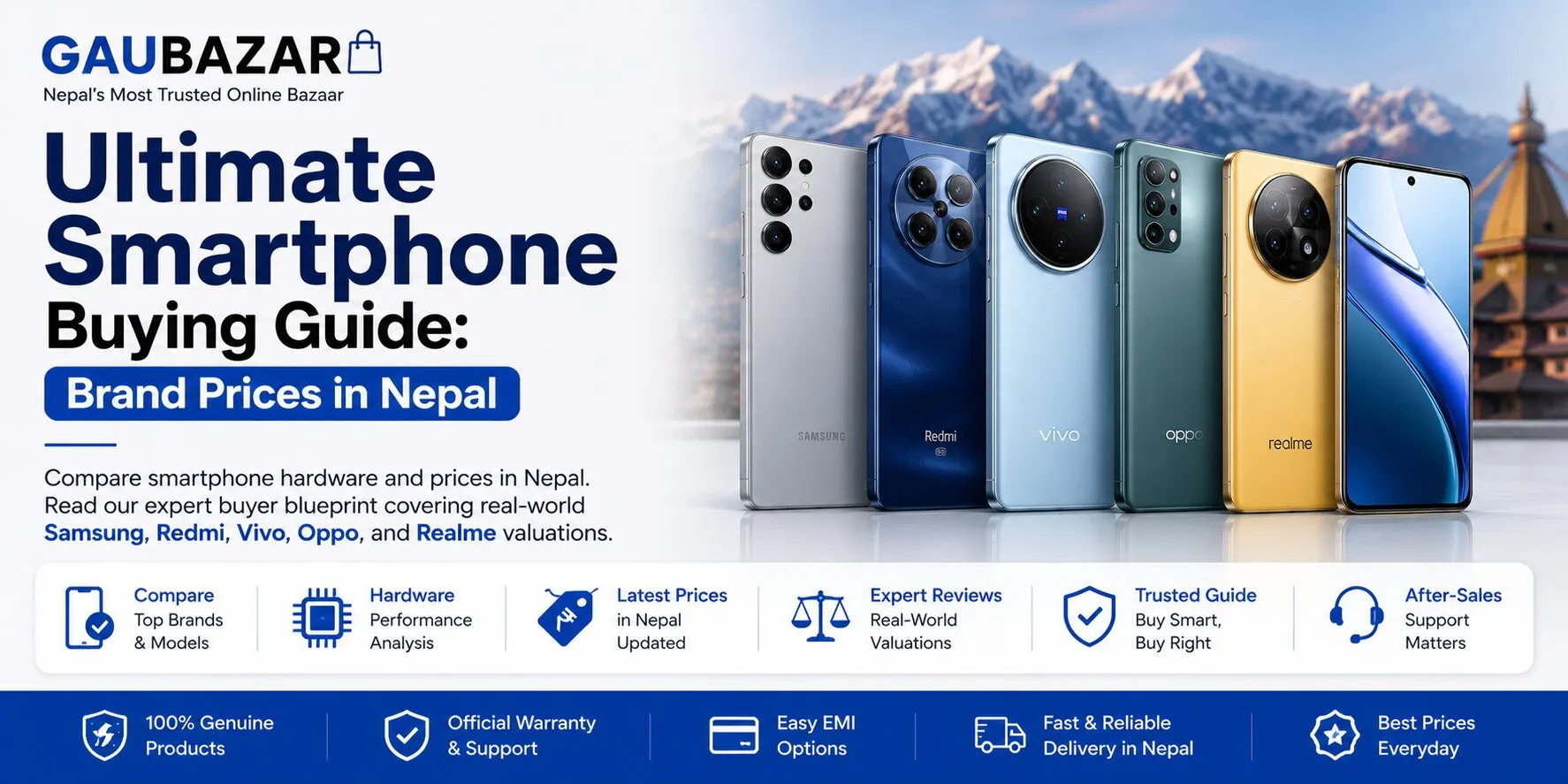
The smartphone market in Nepal has experienced unprecedented development, evolving from a luxury commodity into an absolute lifeline for communication, digital entrepreneurship, mobile banking, and academic learning. Due to the rapid deployment of high speed cellular networks across both bustling urban centers like Kathmandu and remote provincial districts, the demand for reliable hardware spans across every demographic group. However, selecting a mobile device can be an incredibly complex process due to overlapping product tiers and diverse brand ecosystems.
A true authority grade purchasing decision requires analyzing hardware configurations past cosmetic exterior shells and flashy marketing catchphrases. Consumers frequently make the mistake of overpaying for processing power they will never utilize, or conversely, buying sub-par setups that suffer from painful system lag within a few months of use. To provide a definitive blueprint that builds true trust and transparency, this exhaustive technical guide breaks down the core architecture of modern mobile hardware, local import tax realities, and a rigorous cross comparison of leading brands before you decide to buy a mobile phone in Nepal.
1. The Architecture of Smartphone Performance
To evaluate a mobile device like an experienced hardware engineer, you must isolate the internal components that dictate system longevity, multitasking fluidity, and image compilation efficiency. Before reviewing price tags, prioritize these four primary architectural pillars:
The System on a Chip (SoC)
The processor is the central nervous system of the mobile phone, housing the Central Processing Unit (CPU) and the Graphics Processing Unit (GPU). For basic operations like scrolling social media, making calls, and checking digital wallets, entry level chipsets like the MediaTek Helio G series or basic Snapdragon 4 series are completely adequate. Mid range users who enjoy light gaming or content creation should insist on silicon like the Snapdragon 7 series or MediaTek Dimensity architectures. Heavy power users or mobile gamers require top tier flagships like the Snapdragon 8 series or MediaTek Dimensity 9000 lines, which execute billions of algorithmic calculations per second without stuttering.
Random Access Memory (RAM) Allocation
RAM acts as the device short term working memory, controlling how many applications can remain active in the background simultaneously. In the current software ecosystem, operating systems use complex background layers that render four gigabytes of RAM insufficient for a fluid user experience. To ensure your device remains highly responsive over multiple years, look for a minimum of six to eight gigabytes of physical RAM. Be cautious of marketing labels promoting virtual RAM expansions, as using internal storage space to mimic RAM is significantly slower than dedicated physical memory modules.
Storage Media and Read-Write Speed Protocols
Total storage capacity determines how many local files, photos, and applications you can save on your device. While one hundred and twenty eight gigabytes is the modern baseline, performance is deeply influenced by the underlying technology protocol. Cheap budget devices utilize older eMMC 5.1 storage systems, which slow down system boot sequences and app loading times. Mid range and premium devices utilize Universal Flash Storage (UFS) protocols ranging from UFS 2.2 up to ultra fast UFS 4.0, which behave like desktop solid state drives to ensure instantaneous data transfers.
Display Technology: LCD versus AMOLED
Your entire user experience is filtered directly through the screen glass. Liquid Crystal Displays (LCD) are cheap to manufacture and provide decent brightness, but they cannot display true black levels. Active Matrix Organic Light Emitting Diodes (AMOLED) illuminate each individual pixel independently, producing infinite contrast ratios, deep pitch blacks, and vibrant color gamuts that maximize visibility when reading text under direct sunlight. Additionally, prioritize screens featuring a high refresh rate of ninety hertz or one hundred and twenty hertz, which makes user interface animations feel incredibly smooth.
2. Major Brand Profiles and Real-World Pricing Slabs
Nepal mobile marketplace features distinct positioning from global manufacturing giants. Understanding where each brand channels its engineering focus allows you to match their strengths directly to your daily usage patterns:
Samsung Mobile Ecosystem
Samsung enjoys an authoritative reputation in Nepal due to superior global build quality, extensive component reliability, and brilliant display engineering. Their massive catalog stretches from the entry level M and A series up to the cutting edge Galaxy S flagship lineups and innovative foldable form factors. Samsung devices are highly favored by corporate professionals and families who value secure software support frameworks and strong trade-in valuations.
When analyzing actual financial investments, the official samsung mobile price in nepal ranges across clear structural tiers. Entry level options like the Galaxy A series baseline models start around fifteen thousand rupees, mid range entries offering high refresh rate AMOLED displays sit firmly between thirty thousand and sixty thousand rupees, while elite tier flagships like the legendary Galaxy S Ultra models command premium luxury pricing over two lakh rupees.
Xiaomi and Redmi Ecosystem
Xiaomi has entirely redefined consumer expectations by offering high performance specifications at razor thin profit margins. Their budget friendly Redmi number series and mid range Redmi Note series are consistently the highest selling devices among university students and tech savvy buyers who demand large battery arrays, fast charging adapters, and multi camera arrays without facing massive retail premiums.
The highly dynamic redmi mobile price in nepal is optimized to dominate the value sector. Entry level devices like the Redmi A series launch at highly accessible baselines starting near fifteen thousand rupees. The immensely popular Redmi Note series occupies the sweet spot of twenty five thousand to forty five thousand rupees, while their top specification Pro Plus configurations offering flagship level main sensors and hyper charging capabilities cap out around sixty five thousand rupees.
Vivo Mobile Lineups
Vivo focuses heavily on sleek physical product designs, premium chassis textures, and exceptional front facing camera optimization. Their youth centric Y series focuses on extreme battery longevity and clean aesthetics, while the premium mid range V series introduces advanced aura screen lighting innovations and specialized optical image stabilization modules built explicitly for content creators and vloggers.
Tracking the local market reveals that the vivo mobile price in nepal caters to distinct lifestyle preferences. The basic budget Y series devices are available from sixteen thousand rupees up to thirty thousand rupees. For individuals seeking professional portrait capabilities, reviewing the latest vivo mobile price in nepal points directly toward the premium V series models, which sit comfortably between thirty five thousand and seventy five thousand rupees.
Oppo and Realme Segments
Oppo has established an excellent retail presence centered on durable structural frames and highly optimized user interface layers, with their A and Reno lines targeting fashion conscious buyers. Concurrently, their sister brand Realme focuses on high speed performance metrics, offering rapid charging solutions and high touch sampling processors designed to capture the attention of younger demographics and competitive mobile gamers.
Reviewing the active marketplace for an oppo mobile price in nepal or matching it against a realme mobile price in nepal reveals intense cross brand competition. Budget and mid range segments for both manufacturers run highly parallel paths, offering robust computing power across an accessible ten thousand to forty five thousand rupee price range.
OnePlus Performance Tier
OnePlus targets enthusiasts who demand high speed performance coupled with minimal software bloat. Their Nord series covers the competitive mid range, while their core numerical models challenge ultra premium flagships by offering top tier Snapdragon processors and incredibly fluid scrolling experiences. For buyers looking for elite speed metrics, evaluating the current oneplus mobile price in nepal shows that entry models start near thirty thousand rupees, while premium flagship iterations span from eighty thousand to over one lakh fifty thousand rupees.
3. Navigating Government VAT, Custom Duties, and MDMS Compliance
A critical factor driving smartphone pricing across Nepal is the regulatory tax compliance system managed by the government. Retail prices include a thirteen percent value added tax (VAT) along with an additional excise duty on imported electronics. These necessary fiscal measures fund local infrastructure but mean that official showroom prices carry a legal premium compared to international markets.
Furthermore, Nepal Telecommunications Authority strictly enforces the Mobile Device Management System (MDMS). This vital security registry is designed to eliminate gray market smuggling, illegal cross border tracking, and device theft. Every mobile phone operating on local cellular towers must have its unique international mobile equipment identity (IMEI) number officially registered in the MDMS database. When purchasing a device, you must verify its compliance status via the official government portal to prevent your network signal from being completely deactivated.
4. The Smart Strategy of Buying Used Devices Online
Because premium smartphones suffer from rapid depreciation cycles despite remaining structurally and electronically flawless, purchasing a used device is a highly practical way to maximize your buying power. By bypassing high retail storefront markups, smart buyers interact directly with private individual sellers or upgrade enthusiasts online.
This secondary market layout allows you to purchase a premium, year-old flagship device for the exact same cost as a brand new, low performance plastic budget phone. When evaluating pre owned options, always cross reference listings across verified digital classified channels to check average valuations. This structural transparency ensures you negotiate a balanced deal based on real market data rather than emotional guesswork.
5. In-Hand Diagnostic Checklist for Pre-Owned Purchases
If you choose to purchase a pre owned smartphone from an online listing, never rush the physical handover process. Meet the seller in a safe, public environment with local Wi-Fi access and systematically execute these five diagnostic steps:
- Verify MDMS and IMEI Matches: Dial
*#06#on the phone keypad to display the internal IMEI numbers. Cross reference these digits directly against the physical stickers on the retail box, the engraving on the Blue Book invoice if available, and input them into the government MDMS website to ensure the registration is fully compliant. - Test the Display for Screen Burn-In: Open a full screen blank white image. Look closely for faint ghost images of old app icons or keyboard layouts permanently etched into the panel, a common issue on older AMOLED screens. Also check the outer edges for micro cracks or touch response dead zones.
- Analyze Battery Degradation Under Load: Check the native battery health menu in the settings block. For Android devices, download a diagnostic app like AccuBattery to view remaining capacity. Furthermore, open the camera app and record a high definition video for three minutes; if the battery level drops rapidly by more than four to five percent, the internal battery chemistry is heavily worn.
- Check Hardware Ports and Network Latency: Plug a portable power bank into the charging port to ensure the connection locks tightly and registers charging cycles without dropping. Insert your local SIM card to verify that 4G or 5G voice calling activates smoothly, and run a quick internet speed test over a local Wi-Fi connection.
- Inspect Camera Lenses and Audio Grilles: Shine a flashlight directly into the rear camera modules to check for internal dust accumulation or micro scratches on the protective glass. Play a high volume audio file to test the stereo speakers for crackling distortion, and place a quick test call to ensure the proximity sensor turns off the screen when the phone is held against your ear.
Frequently Asked Questions (FAQs)
1. Why is a phone official retail price in Nepal higher than prices in India or Dubai?
The price difference is caused by cumulative import taxes, including a thirteen percent government VAT, an additional excise duty, transport logistics across landlocked borders, and the cost of maintaining official warranty service centers within Nepal. These official components protect your consumer rights but add to the initial retail cost.
2. How can I ensure a second hand smartphone is not stolen property?
Always demand the original retail box matching the device internal IMEI sequence, along with a copy of the seller original purchase invoice or citizenship document. Cross check the IMEI directly against the national MDMS status portal. If a seller refuses to provide the original packaging or pressures you into a hasty cash transaction without physical verification, cancel the deal immediately.
3. What is the practical difference between a global version and a regional variant phone?
Global versions are engineered with broader cellular band configurations designed to operate seamlessly on network frequencies worldwide, including local providers like NTC and Ncell. Regional variants, such as those built strictly for the Chinese domestic market, often lack essential local network bands, do not carry official local warranties, and may lack pre-installed Google Play services out of the box.
Conclusion
Securing an exceptional smartphone setup requires a balanced analysis of processing efficiency, display quality, and verified pricing metrics. By aligning your specific usage patterns with the structural design strengths of leading brands, verifying government MDMS compliance, and using digital marketplace directories to compare real-time values, you can make a secure investment. Take your time, focus heavily on hardware health diagnostics, and enjoy a high performance mobile experience that perfectly fits your personal budget.


Comments (0)
No comments yet - be the first to share your thoughts.